

The emergence of blockchain and crypto technologies has revolutionized the financial sector, but it has also introduced new cyber threats. Last year, hackers stole $739.7 million worth of crypto through various scams and thefts, highlighting the need for robust security measures.
As the digital asset landscape becomes increasingly treacherous, even the most security-conscious investors are vulnerable to sophisticated attacks. This comprehensive guide empowers you to conduct your own audit, identifying vulnerabilities before they can be exploited.
By adopting the mindset of a “paranoid investor,” you’ll gain a strategic advantage in protecting your digital wealth. This guide provides actionable checklists for enhancing your security posture, from digital hygiene to physical security considerations.
Key Takeaways
- Understand the importance of conducting a security audit for your digital assets.
- Learn how to identify vulnerabilities in your crypto holdings.
- Discover strategies for enhancing your personal security and wallet security.
- Gain insights into the mindset of a “paranoid investor” and its benefits.
- Access actionable checklists for improving your overall blockchain security.
Understanding the Need for Personal Security Audits
The growing threat landscape for crypto investors necessitates a thorough examination of personal security measures. As the blockchain and crypto spaces continue to evolve, so too do the tactics employed by malicious actors.
The Rising Threat Landscape for Crypto Investors
Crypto investors face an increasingly complex array of threats, from sophisticated phishing attacks to hackers exploiting vulnerabilities in wallet software. The blockchain space, while inherently secure, is not immune to these risks. Adopting a crypto security audit can help identify potential weaknesses, such as flawed consensus mechanisms or inadequate private key storage.
What Makes You a Target: Risk Assessment
Understanding your risk profile is crucial. Several factors contribute to your attractiveness as a target, including your portfolio size, public visibility, online behavior patterns, and current security practices. For instance, large holdings naturally draw more attention, but even modest portfolios can become targets if investors inadvertently signal their involvement in crypto through social media activity.
- Conducting a personal risk assessment involves evaluating your current security practices against the value of the assets you’re protecting.
- Understanding what makes you a target allows you to implement proportional security measures.
- The goal is to raise the cost of attacking you beyond what your assets would be worth to potential attackers.
By honestly assessing your information exposure and adjusting your security practices accordingly, you can significantly reduce your vulnerability to attacks. This proactive approach is essential for users looking to safeguard their investments in the crypto space.
Establishing Your Security Baseline
Establishing a robust security baseline is crucial for protecting your crypto investments in today’s complex threat landscape. This process involves understanding your digital assets, evaluating your current security measures, and setting clear goals for improvement.
Identifying Your Critical Digital Assets
Begin by cataloging your digital assets, including cryptocurrencies, tokens, and any other blockchain-based investments. Prioritize assets based on their value and the potential impact of a security breach. This inventory will serve as the foundation for your security planning, helping you focus on the most critical areas.
Mapping Your Current Security Measures
Assess your current security practices, including password management, two-factor authentication, and wallet security. Evaluate the effectiveness of these measures and identify any vulnerabilities or gaps in your defenses. Consider using a risk assessment framework to estimate the likelihood and potential impact of various threats.
Setting Security Goals and Priorities
Based on your asset inventory and security mapping, establish clear, achievable security goals. Prioritize improvements that protect your most valuable assets, recognizing that perfect security is impossible but significant improvements are achievable. Set specific, measurable objectives, such as implementing hardware wallet storage for long-term holdings. Create a realistic timeline for implementing these security improvements and document your priorities to track progress over time.
Digital Identity and Social Media Hygiene
In the world of cryptocurrency, your digital footprint can be both your greatest asset and your most significant liability. As you navigate the online landscape, it’s essential to maintain a robust digital identity and practice good social media hygiene to protect your crypto investments.
Auditing Your Online Presence
Auditing your online presence involves reviewing your social media profiles and other online accounts to ensure they are secure and don’t inadvertently reveal sensitive information. Start by adjusting your settings to review tags in photos and posts before they appear on your profile. Consider disabling location tagging in posts to minimize the risk of exposing your personal life.
Separating Personal and Investment Identities
Separating your personal and investment identities is crucial for maintaining security in the crypto space. By creating distinct identities for your personal and investment activities, you can reduce the risk of your personal information being linked to your crypto investments. This separation can be achieved by using different email addresses, social media profiles, and communication channels for each identity.
Information Compartmentalization Strategies
Implementing information compartmentalization strategies is vital for protecting your crypto assets. This involves adopting the principle of least privilege, where you only share information with people or platforms that absolutely need it to function. Create a tiered information system where increasingly sensitive data requires higher levels of trust and verification before sharing.
Effective compartmentalization requires discipline and consistent application of boundaries across all digital interactions. Use different communication channels for different types of information, keeping your most sensitive discussions on the most secure platforms. Regularly review what information you’ve shared with which platforms and contacts, pruning unnecessary access when possible.
| Compartmentalization Strategy | Description | Benefit |
|---|---|---|
| Principle of Least Privilege | Share information only with those who need it | Reduced risk of data breaches |
| Tiered Information System | Require higher trust levels for sensitive data | Enhanced security for sensitive information |
| Separate Communication Channels | Use different channels for different information types | Improved control over data access |
Password Management and Authentication Audit
In the realm of cryptocurrency, a strong password management strategy is not just a best practice, it’s a necessity. As a crypto investor, your digital security is only as strong as your weakest password.
Evaluating Your Current Password Practices
Begin by assessing your current password habits. Are you using unique passwords for each of your crypto-related accounts? Password reuse is a significant security risk, as a breach in one service can compromise multiple accounts. Consider using a password strength meter to evaluate the strength of your passwords.
Implementing Multi-Factor Authentication Everywhere
Multi-factor authentication (MFA) adds a crucial layer of security to your accounts. By requiring not just a password but also a second form of verification (such as a biometric or a one-time code sent to your phone), MFA significantly reduces the risk of unauthorized access. Enable MFA on all your crypto accounts, including exchanges, wallets, and email services.
Password Manager Security Assessment
If you’re using a password manager, evaluate its security features, encryption standards, and the company’s security track record. Review your master password strength and recovery options. Consider whether your password manager’s security model aligns with your threat profile, such as cloud-based versus local storage.
By implementing these strategies, you’ll significantly enhance your password security and overall crypto security posture. Regularly reviewing and updating your password management practices is crucial in staying ahead of potential threats.
Device Security Assessment
In the world of blockchain and crypto, device security assessment is not just a precaution, it’s a necessity. As we increasingly rely on digital devices to manage our investments, ensuring these devices are secure becomes paramount.
Operating System and Software Update Audit
Keeping your operating system (OS) and software up-to-date is crucial for security. Regular updates often include patches for vulnerabilities that could be exploited by hackers. Ensure that automatic updates are enabled on all devices used to access your crypto accounts or store sensitive information.
Encryption Implementation Check
Encryption is a powerful tool in protecting your data. Check that all devices storing sensitive information have encryption enabled. For computers, this means using full-disk encryption, while for mobile devices, enabling the built-in encryption features is essential.
Physical Device Access Controls
Controlling who can access your devices is as important as encrypting the data they contain. Use strong passwords, PINs, or biometrics to lock devices when not in use. Consider implementing boot passwords on computers to add an extra layer of security. Review your protocols for lending devices or sharing access, and establish clear guidelines for others using your devices.
Developing a plan for lost or stolen devices, including remote wipe capabilities and account access revocation, is also crucial. Regularly review and update your device access controls to ensure they remain effective against evolving threats.
Network Security Evaluation
In the world of crypto and blockchain, a robust network security evaluation is not just a best practice, it’s a necessity. As we continue to navigate the complex digital landscape, ensuring the security of our network is crucial in protecting our investments.
Home Network Security Audit
A home network security audit is the first step in safeguarding your digital assets. This involves checking your router’s configuration, ensuring WPA3 encryption is enabled, and setting a strong password. Regularly updating your router’s firmware is also essential to patch any security vulnerabilities. By taking these steps, you’re implementing a critical security protocol that protects your home network from potential threats.

VPN and Browsing Privacy Assessment
Using a Virtual Private Network (VPN) significantly enhances your browsing privacy and security, especially when accessing crypto and blockchain services. It’s essential to choose a reputable VPN provider and ensure it’s enabled whenever you’re online. Additionally, being cautious with links and using HTTPS can further bolster your online security. This is a key aspect of maintaining best practices in the crypto space.
Public Wi-Fi Protocol Development
When it comes to public Wi-Fi, it’s crucial to develop clear protocols for its use. Avoid using public Wi-Fi for sensitive activities, and consider using your mobile hotspot instead. If you must use public Wi-Fi, ensure your VPN is enabled, and disable Bluetooth and NFC when not in use. Being cautious with QR codes and links is also vital. By establishing these guidelines, you’re following best practices that minimize your exposure to network risks.
Conducting Your Own Crypto Security Audit
As a crypto investor, conducting a thorough security audit is crucial for protecting your assets. In the ever-evolving landscape of cryptocurrency, security is paramount, and a proactive approach can significantly reduce the risk of potential threats.
Wallet Security Assessment Framework
Evaluating your wallet’s security involves assessing its encryption methods, understanding its vulnerability to hacking attempts, and ensuring that it is regularly updated. Consider using hardware wallets for added security, as they store your private keys offline, making it harder for hackers to access your funds.
Exchange Security Verification Process
When using crypto exchanges, it’s essential to verify their security measures. Look for exchanges that implement robust security protocols, such as two-factor authentication, cold storage for assets, and regular security audits. “The security of your assets is directly tied to the security measures of the exchange you use,” as emphasized by crypto security experts.
Transaction Privacy Analysis
Analyzing your transaction patterns is vital for maintaining privacy. Use privacy-focused cryptocurrencies like Monero for greater anonymity, and consider techniques such as coin mixing to obscure transaction trails. Review your address reuse practices and implement best practices for generating new addresses for each transaction to enhance your transaction privacy.
By following these guidelines and staying informed, you can significantly enhance the security of your crypto assets and protect your investments.
Key Management and Backup Strategies
In the world of cryptocurrency, having robust key management and backup strategies can be the difference between securing your funds and losing them. Effective management of your private keys and seed phrases is crucial for maintaining access to your blockchain assets.
Private Key Storage Audit
Storing private keys securely is a critical aspect of crypto security. It’s essential to assess your current storage methods, considering the use of hardware wallets, cold storage solutions, or encrypted digital storage. Hardware wallets are often recommended for their robust security features.

Seed Phrase Protection Assessment
Your seed phrase is the key to recovering your crypto assets in case you lose access to your wallet. It’s vital to store this information securely, using methods such as encrypted notes or safe deposit boxes at banks. Avoid digital storage for seed phrases to prevent potential hacking risks.
Recovery Plan Evaluation
Developing a comprehensive recovery plan is essential for ensuring you can regain access to your funds in various scenarios, such as device failure or loss. Consider configuring automatic encrypted cloud backup and using secure synchronization for contacts and calendars. Regular local backups before major updates are also recommended.
| Recovery Scenario | Recommended Action |
|---|---|
| Device Failure | Use backup seeds stored securely |
| Natural Disaster | Access cloud backups |
| Theft | Utilize wallet recovery phrases |
To ensure the effectiveness of your recovery plan, it’s crucial to test your procedures regularly and document the steps clearly but securely. Consider time-sensitive aspects, such as how quickly you could access backup seeds in an emergency, and develop contingency plans for worst-case scenarios.
Physical Security Considerations
While digital security is vital, the importance of physical security for crypto holders cannot be overstated. As a significant investor in cryptocurrency, your physical safety and the security of your assets are intertwined.
Home Security Assessment for Crypto Holders
Conducting a thorough home security assessment is crucial. This involves evaluating your home’s current security measures, such as locks, alarms, and surveillance cameras. Consider reinforcing these with additional measures like safe rooms or secure storage for your most valuable assets, including backups of your crypto wallets.
Travel Security Protocol Development
When traveling, it’s essential to have a travel security protocol in place. This includes keeping your devices with you at all times or storing them in a secure location, using an RFID blocker to protect your cards and passports, and being mindful of your surroundings when entering passwords or displaying QR codes.
In-Person Event Security Guidelines
Attending cryptocurrency conferences, meetups, and other industry events requires specific security guidelines. Keep your devices secure and be aware of potential observers. Use secure connectivity options and consider operational security practices, especially if you’re a high-value target. Develop situational awareness to identify potential threats in crowded environments.
By considering these physical security aspects, you can better protect your crypto assets and maintain your personal safety. Whether at home, traveling, or attending events, being proactive about security is key to safeguarding your investments in the blockchain and crypto space.
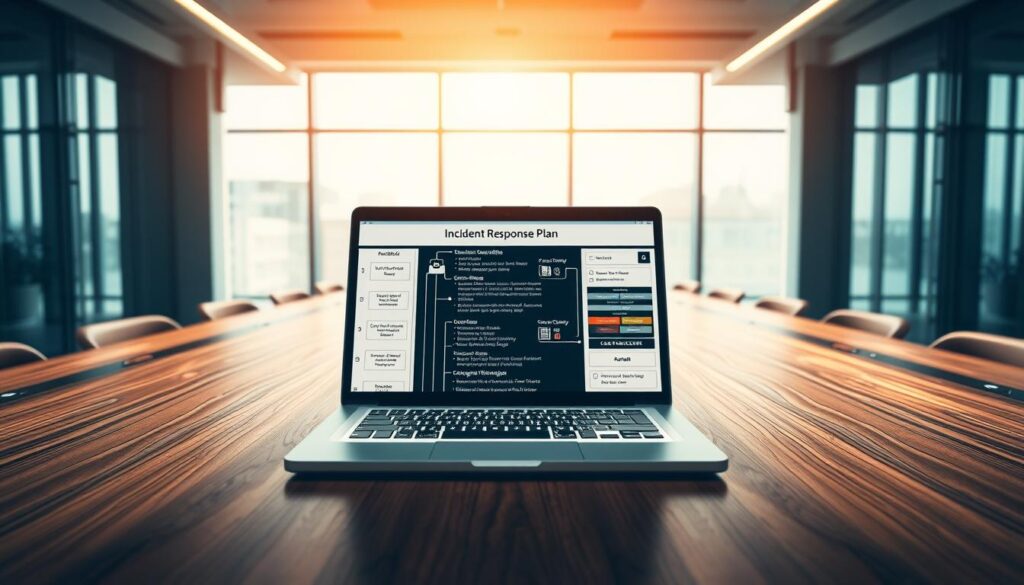
Creating Your Incident Response Plan
A robust incident response plan is the backbone of a secure crypto investment strategy. In the ever-evolving landscape of blockchain and crypto security, being prepared for potential threats is crucial.
Identifying Security Breach Indicators
To develop an effective incident response plan, it’s essential to identify potential security breach indicators. This includes monitoring for unusual account activity, suspicious login attempts, or unexpected changes in your crypto wallet balances. Staying vigilant and recognizing these indicators early can significantly minimize potential damage.
Developing Emergency Response Procedures
Once you’ve identified potential breach indicators, the next step is to develop emergency response procedures. This involves creating a clear, step-by-step plan to address various security incidents, such as phishing attacks or device theft. Your plan should outline specific actions to take, including securing your accounts, notifying relevant parties, and recovering your assets.
Regular Security Drill Implementation
Implementing regular security drills is vital to ensure your incident response plan is effective. This involves regularly performing restoration tests on backups, simulating disaster scenarios, and practicing recovery from seed phrases. By doing so, you can ensure that your security systems and practices are robust and ready to counter potential hackers.
- Develop a schedule for regular security drills to test your incident response procedures under simulated conditions.
- Create realistic scenarios based on common attack vectors.
- Practice recovery from seed phrases regularly.
- Implement time-based drills to measure response times.
- Document lessons learned and update security procedures accordingly.
Conclusion: Maintaining Vigilance Without Paranoia
Maintaining vigilance without succumbing to paranoia is the key to effective security practices in the digital age. As we’ve explored throughout this guide, securing your digital assets is not a one-time task but a continuous journey that evolves with the threat landscape and your own crypto holdings.
The goal of personal security auditing is not to achieve perfect security, which is impossible, but to raise the cost of attacking you beyond what your assets would be worth to hackers. By following this comprehensive plan and staying informed about the latest blockchain security developments, users can significantly enhance their online security and protect their digital assets.
To achieve this, it’s crucial to balance security measures with usability, recognizing that overly complex systems often lead to shortcuts that create vulnerabilities. Developing a sustainable security mindset that you can maintain long-term is more effective than implementing extreme measures that you’ll eventually abandon.
Staying informed about emerging threats and best practices through trusted sources and community engagement is vital. Remember, the most secure crypto investors aren’t necessarily those with the most complex systems, but those who consistently apply fundamental security principles across all aspects of their digital lives.
By systematically addressing vulnerabilities through regular personal audit and audit processes, you can transform security from a source of anxiety into a source of confidence. In the ever-evolving landscape of blockchain and crypto, maintaining strong OPSEC and digital hygiene is an ongoing process that requires vigilance, education, and adaptation to new threats.
In conclusion, by embracing a continuous blockchain security approach and staying committed to best practices, you can protect your investments and navigate the digital world with confidence.
FAQ
What is the importance of conducting a security audit for my digital assets?
Conducting a security audit helps identify vulnerabilities in your systems, allowing you to take corrective measures to protect your digital assets from potential threats and hackers.
How often should I perform a blockchain security check on my investments?
It’s recommended to perform a blockchain security check regularly, ideally every 3-6 months, or whenever you make significant changes to your investment portfolio or security measures.
What are the best practices for managing my private keys?
Best practices for managing private keys include storing them securely, using a hardware wallet, and never sharing them with anyone. It’s also essential to have a secure backup and recovery plan in place.
How can I ensure the authentication of my digital transactions?
To ensure authentication, use multi-factor authentication (MFA) whenever possible, and consider implementing a password manager to generate and store unique, complex passwords.
What is the role of encryption in protecting my digital assets?
Encryption plays a crucial role in protecting your digital assets by converting sensitive data into an unreadable format, making it inaccessible to unauthorized parties.
How can I protect my digital identity online?
To protect your digital identity, maintain a separate online presence for your investments, use a VPN, and be cautious when sharing personal information on social media or other online platforms.
What are the risks associated with using public Wi-Fi for my digital transactions?
Using public Wi-Fi for digital transactions poses significant risks, as hackers can easily intercept sensitive data. Consider using a VPN or avoiding public Wi-Fi for sensitive activities.
How can I develop an effective incident response plan?
To develop an effective incident response plan, identify potential security breach indicators, establish emergency response procedures, and regularly conduct security drills to ensure preparedness.
Spot ETFs and the Bitcoin Halving: How These Events Are Reshaping Crypto Investing
Web3 Unleashed: The Blockchain-Powered Internet is Closer Than You Think
Why Diversifying Your Crypto Portfolio Matters
What the New ETF Means for Bitcoin Investors
How Global Events Are Influencing Bitcoin Trends

