

In this guide, we’ll explore how blockchain technology is being applied across multiple sectors, creating new efficiencies, solving long-standing problems, and opening up exciting opportunities for innovation and investment. From supply chains to healthcare, the ripple effects of this technology are just beginning to be felt.
Understanding Distributed Ledger Technology: The Foundation of Blockchain
Distributed ledger technology creates a secure, transparent network of information shared across multiple participants
At its core, distributed ledger technology is a decentralized database maintained by multiple participants. Unlike traditional databases controlled by a single entity, DLT spreads information across a network of computers (nodes). Each participant has access to the entire database and its complete history.
Think of a traditional ledger as a book kept by a single accountant. If that book is lost or tampered with, the information is compromised. With DLT, it’s as if hundreds or thousands of accountants all have identical copies of the ledger. If someone tries to alter one copy, the others will immediately notice the discrepancy.
Key Features That Drive Broad Impact
Decentralization
No single entity controls the entire database, making it resistant to censorship and single points of failure.
Immutability
Once information is recorded, it cannot be altered or deleted without consensus from the network, creating a permanent, tamper-proof record.
Transparency
All participants can view the entire ledger, creating unprecedented visibility into transactions and processes.
Security
Cryptographic techniques ensure that data remains secure and that participants can trust the information without needing to trust each other.
Want to deepen your understanding of blockchain technology?
Explore our comprehensive educational resources on distributed ledger technology and its applications.
Supply Chain Revolution: Tracking Products from Source to Consumer
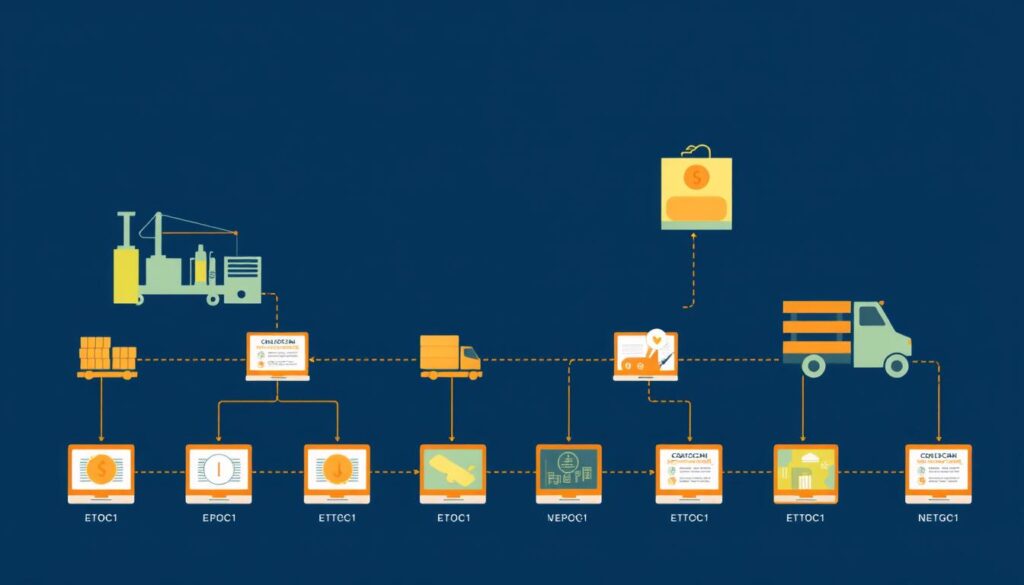
Supply chain management has emerged as one of the most promising applications for blockchain technology. The broad impact of DLT in this sector addresses longstanding challenges of transparency, efficiency, and accountability.
How Blockchain Transforms Supply Chains
- End-to-end Visibility: Every step of a product’s journey—from raw materials to manufacturing to retail shelf—can be recorded on the blockchain, creating unprecedented transparency.
- Authenticity Verification: Consumers can verify that products are genuine and ethically sourced by accessing the blockchain record.
- Automated Compliance: Smart contracts can automatically ensure that shipments meet regulatory requirements across different jurisdictions.
- Reduced Paperwork: Digital documentation stored on the blockchain eliminates the need for paper records that can be lost or tampered with.
Real-World Example: IBM Food Trust
IBM Food Trust uses blockchain technology to create a more transparent and secure global food supply chain. Major retailers like Walmart have implemented this system to track food products from farm to store. During food safety scares, what once took days to trace now takes seconds, potentially saving lives and reducing food waste.
This transformation represents a significant investment opportunity as companies across the supply chain adopt blockchain solutions to remain competitive and meet growing consumer demands for transparency.
Healthcare Transformation: Securing Patient Data and Improving Care

Healthcare systems worldwide struggle with fragmented data, privacy concerns, and inefficient record-keeping. Blockchain technology offers solutions to these challenges, creating a broad impact on both patient care and healthcare administration.
Blockchain Applications in Healthcare
Secure Patient Records
Patient data can be securely stored on a blockchain, giving patients control over who accesses their information while ensuring records cannot be altered without authorization.
Drug Traceability
Pharmaceutical supply chains can use blockchain to track medications from manufacturer to patient, reducing counterfeit drugs and ensuring proper handling.
Clinical Trial Management
Blockchain can ensure the integrity of clinical trial data, making it impossible to alter results after the fact and increasing transparency in research.
Insurance Claims Processing
Smart contracts can automate claims processing, reducing administrative costs and speeding up payments to both providers and patients.
Real-World Example: MediLedger
The MediLedger Project uses blockchain technology to track prescription medicines, ensuring compliance with regulations and preventing counterfeit drugs from entering the supply chain. This consortium includes major pharmaceutical companies and wholesalers working together to improve safety and efficiency.
Interested in healthcare blockchain innovations?
Discover how blockchain is creating new opportunities in healthcare technology and patient data management.
Financial Services: Beyond Cryptocurrency
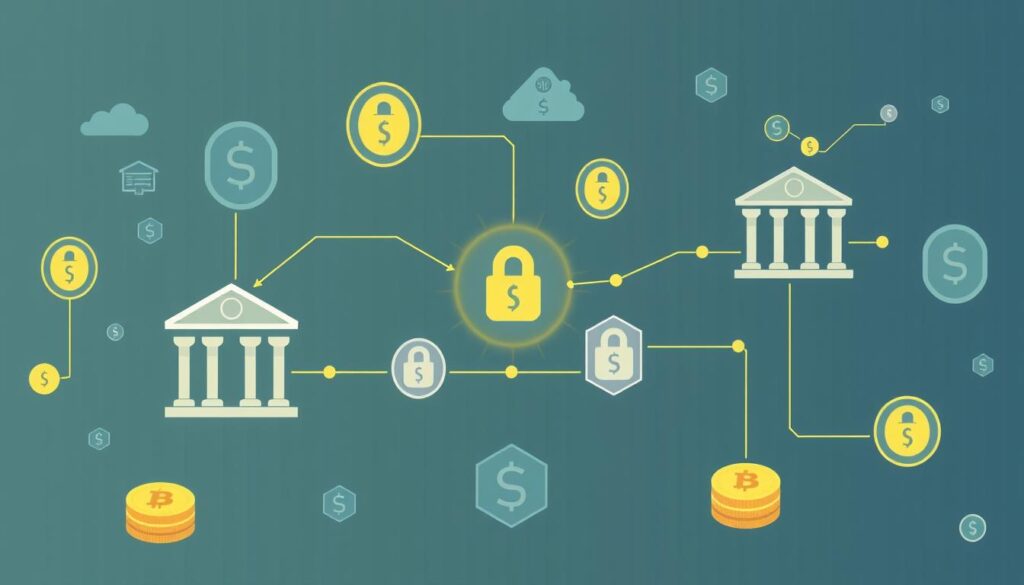
While cryptocurrency may have been blockchain’s first application, the financial services industry is finding numerous other ways to leverage this technology. The broad impact extends to traditional banking, insurance, real estate, and more.
Transforming Financial Services with Blockchain
- Cross-Border Payments: International transfers that once took days and incurred high fees can be completed in minutes at a fraction of the cost.
- Smart Contracts: Self-executing contracts automatically enforce agreements when conditions are met, eliminating the need for intermediaries in many transactions.
- Identity Verification: Secure digital identity solutions can streamline KYC (Know Your Customer) processes while better protecting personal information.
- Asset Tokenization: Real estate, art, and other assets can be divided into digital tokens, allowing for fractional ownership and increased liquidity.
Investment Opportunities in Blockchain Finance
The financial services sector represents one of the largest investment opportunities in the blockchain space. From established banks implementing blockchain solutions to startups creating entirely new financial products, the potential for innovation and growth is substantial.
“Blockchain in financial services could reduce infrastructure costs by $15-20 billion annually by 2022, primarily in cross-border payments, securities trading, and regulatory compliance.”
Voting Systems and Governance: Enhancing Democracy

Democratic systems worldwide face challenges related to trust, transparency, and accessibility. Blockchain technology offers potential solutions that could have a broad impact on how societies make collective decisions.
Blockchain Applications in Voting and Governance
Secure Electronic Voting
Blockchain-based voting systems can create tamper-proof records of votes while maintaining voter privacy, potentially increasing participation and trust in elections.
Transparent Governance
Government spending and decision-making can be recorded on public blockchains, creating unprecedented transparency and accountability.
Digital Identity
Secure, blockchain-based identity systems can ensure that only eligible voters participate while protecting personal information.
Community Decision-Making
Decentralized autonomous organizations (DAOs) use blockchain to enable collective decision-making without traditional hierarchical structures.
Real-World Example: Voatz
Voatz has piloted blockchain-based mobile voting in several U.S. elections, primarily for overseas military personnel and voters with disabilities. While still evolving, these systems demonstrate the potential for more accessible and secure voting methods.
Real Estate: Revolutionizing Property Transactions

Real estate transactions are notoriously complex, time-consuming, and paper-intensive. Blockchain technology is beginning to transform this industry, with potential broad impact on everything from property records to financing.
How Blockchain is Changing Real Estate
- Property Records: Land titles and property ownership records stored on a blockchain create an immutable history that reduces disputes and simplifies title searches.
- Fractional Ownership: Property tokenization allows investors to purchase portions of real estate assets, lowering barriers to entry and increasing liquidity.
- Smart Contracts: Automated contracts can handle complex escrow arrangements, releasing funds only when all conditions are met.
- Transparent Transactions: The entire transaction history of a property can be viewed on the blockchain, reducing information asymmetry between buyers and sellers.
The real estate sector represents a significant investment opportunity as blockchain adoption grows. Companies developing solutions for property records, transactions, and tokenization are positioning themselves at the forefront of this transformation.
Investment Opportunities in Blockchain Technology

As blockchain technology continues to mature and find applications across industries, investment opportunities are expanding beyond cryptocurrency speculation. Understanding where to focus your attention can help you participate in this technological revolution.
Promising Areas for Blockchain Investment
Enterprise Blockchain Solutions
- Companies developing private blockchain networks for specific industries
- Consulting firms specializing in blockchain implementation
- Infrastructure providers offering blockchain-as-a-service
- Integration specialists connecting blockchain with existing systems
Financial Services
- Cross-border payment solutions
- Asset tokenization platforms
- Smart contract development tools
- Decentralized finance (DeFi) applications
Supply Chain & Logistics
- Product tracking and authentication systems
- Supply chain transparency solutions
- Automated compliance platforms
- IoT integration with blockchain for physical tracking
For investors looking to participate in the blockchain revolution, Investurns.com offers resources to help identify promising opportunities across these sectors and beyond. Their educational materials can help you understand the technology fundamentals before making investment decisions.
Ready to explore blockchain investment opportunities?
Discover how you can participate in the growing blockchain ecosystem across multiple industries.
Challenges and Future Outlook

Despite its tremendous potential, blockchain technology still faces significant challenges that must be overcome to achieve widespread adoption and maximize its broad impact across industries.
Current Challenges
Scalability
Many blockchain networks struggle to process large transaction volumes quickly, limiting their utility for high-throughput applications.
Energy Consumption
Some blockchain consensus mechanisms (particularly Proof of Work) require significant energy, raising environmental concerns.
Regulatory Uncertainty
Evolving regulations create uncertainty for businesses looking to implement blockchain solutions.
Integration Complexity
Connecting blockchain systems with existing enterprise software and processes remains challenging.
Future Developments
- Improved Scalability: New consensus mechanisms and layer-2 solutions are addressing transaction speed and volume limitations.
- Interoperability: Projects focused on enabling different blockchains to communicate with each other will create more connected ecosystems.
- Sustainable Consensus: Energy-efficient alternatives to Proof of Work are gaining traction, reducing environmental impact.
- User Experience: Simplified interfaces and improved tools will make blockchain technology more accessible to non-technical users.
Conclusion: The Transformative Potential of Blockchain
Blockchain technology represents far more than just the foundation for cryptocurrencies. Its broad impact is beginning to be felt across industries, from supply chain and healthcare to finance and governance. By creating new levels of transparency, security, and efficiency, distributed ledger technology is addressing longstanding challenges and enabling new business models.
As the technology matures and overcomes current limitations, we can expect to see even more innovative applications emerge. For businesses, this presents opportunities to streamline operations and create new value. For investors, it offers the chance to participate in a technological revolution that is still in its early stages.
Whether you’re a business leader looking to implement blockchain solutions or an investor seeking opportunities in this growing field, understanding the fundamentals of distributed ledger technology and its applications across industries is the first step toward participating in this transformation.
Ready to learn more about blockchain’s potential?
Explore our comprehensive resources on blockchain technology and discover how it could transform your industry or investment portfolio.
Access Educational Resources
Explore Investment Opportunities

