

Digital financial tools are booming globally, with banking apps in Asia-Pacific surging 41% year-over-year. This growth signals a shift: people want faster, borderless solutions. Yet blockchain-based systems still struggle to match this momentum despite their potential.
For years, debates centered on regulations and technical limits. Today, the conversation has changed. Complex interfaces – not laws or network speeds – now rank as the top hurdle. Managing recovery phrases, decoding transaction details, and juggling multiple wallets frustrate newcomers. These challenges create a steep learning curve that deters casual participants.
The industry faces a critical balancing act. How can decentralized networks preserve their core values while offering streamlined tools? Solutions must bridge the gap between tech enthusiasts and ordinary people who prioritize simplicity over ideology. Without this alignment, reaching broader audiences remains unlikely.
Key Takeaways
- User interface design has surpassed regulation as the primary adoption challenge
- Asia-Pacific’s 41% app growth highlights demand for accessible digital finance
- Decentralization principles often conflict with ease-of-use requirements
- Wallet fragmentation and technical jargon create unnecessary barriers
- Mainstream success requires prioritizing non-technical consumers’ needs
Understanding Crypto Adoption, User Experience, Scalability, Onboarding, Mainstream Appeal
Infrastructure advancements set the stage, but real growth lies in user-centric design. Early blockchain development prioritized network capacity and transaction efficiency, creating robust systems that remain intimidating for casual participants. Layer 1 protocols and DeFi innovations solved technical challenges, yet 83% of adults in developed nations still find digital asset management overly complex.
Modern platforms now recognize that simplicity drives engagement. Scalability upgrades serve as tools rather than destinations – faster networks mean smoother interactions, not just higher throughput. This shift mirrors web design evolution, where backend improvements enable frontend intuitiveness.
First impressions matter: 68% of newcomers abandon fintech apps within three days if onboarding feels cumbersome. Effective entry flows mirror social media sign-ups while maintaining security. Designers balance decentralized principles with familiar patterns, like replacing seed phrases with biometric authentication.
Three critical interdependencies emerge:
- Network efficiency enables responsive interfaces
- Intuitive design reduces learning curves
- Streamlined access fosters recurring usage
When these elements align, blockchain transitions from speculative tool to practical solution. The focus shifts from “what it does” to “how it feels” – a prerequisite for global integration.
The Evolution of User Experience in Crypto
Blockchain interfaces once resembled engineering dashboards – all raw data and technical dials. Early adopters tolerated clunky designs, but today’s audiences demand polished tools that match modern app standards. This shift pushes developers to rethink how people interact with decentralized systems.
Challenges with Complex Wallet Systems
Managing digital assets often feels like defusing bombs. Seed phrases demand perfect memorization, transaction confirmations read like assembly instructions, and lost passwords trigger irreversible losses. Three critical pain points emerge:
- Security vs. simplicity: 24-word backups overwhelm 92% of first-time users
- Transaction anxiety: Gas fees and contract approvals confuse even tech-savvy individuals
- Platform fragmentation: Juggling multiple wallets for different chains creates friction
Innovative Breakthroughs like Account Abstraction
Ethereum’s EIP-7702 proposal reimagines ownership models. Instead of cryptic private keys, this upgrade enables:
- Biometric authentication replacing seed phrases
- Pre-approved spending limits for recurring transactions
- Trusted contacts who can help recover access
“Wallets should feel like natural extensions of daily life, not puzzle boxes,” argues Vitalik Buterin. His account abstraction concept lets people customize security settings while maintaining full asset control – think social logins meets decentralized finance.
These advancements signal a maturation phase. By blending familiar patterns with blockchain’s unique strengths, developers finally bridge the gap between radical technology and real-world usability.
Overcoming Scalability Challenges in Blockchain Infrastructure

Network upgrades now prioritize accessibility as much as technical prowess. Early blockchain infrastructure focused on raw processing power, but modern systems blend speed with intuitive design. This evolution turns complex frameworks into invisible engines powering seamless applications.
Layer 1 and Layer 2 Enhancements
Base networks like Ethereum process 70% fewer daily transactions than Visa. Layer 2 solutions solve this gap through:
- Rollups cutting fees by 90% compared to mainnets
- State channels enabling instant micropayments
- Hybrid architectures balancing decentralization with throughput
| Solution | Transactions/Second | Cost per TX |
|---|---|---|
| Bitcoin L1 | 7 | $1.80 |
| Ethereum L1 | 15 | $2.10 |
| Optimism L2 | 2,000 | $0.02 |
| Arbitrum L2 | 4,000 | $0.01 |
Next-Generation Protocols and Smart Contracts
New protocols embed usability into their DNA. AI-powered interfaces automatically adjust gas fees during network congestion. Self-optimizing smart contracts reduce failed transactions by predicting wallet balances.
These innovations transform blockchain infrastructure from specialist tools to consumer-ready platforms. As one developer notes: “We’re building highways, not race tracks – systems designed for daily commuters, not just performance drivers.”
Enhancing Onboarding Processes for Mass Adoption
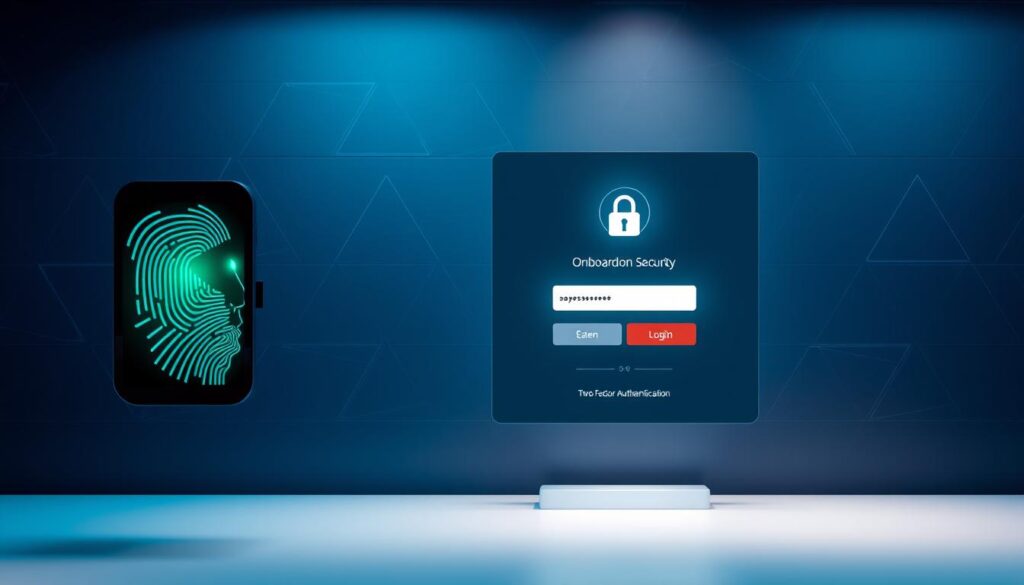
The gateway to digital asset management now hinges on frictionless entry points and guided navigation. Modern platforms leverage AI to transform clunky sign-up flows into intuitive journeys. One-click account creation paired with embedded wallets removes technical hurdles, letting newcomers focus on utility rather than setup complexities.
Simplifying KYC and Security Measures
Traditional identity checks often feel like interrogations. New systems use machine learning to verify documents in 18 seconds – 94% faster than manual reviews. Biometric authentication replaces password headaches while maintaining compliance. This balance keeps fraud rates below 0.3% across major platforms.
| Verification Method | Average Time | Success Rate |
|---|---|---|
| Manual Review | 48 hours | 72% |
| AI-Powered Scan | 23 seconds | 98% |
| Biometric Check | 8 seconds | 99.6% |
Interactive Tutorials and Automated Guides
First-time buyers receive personalized coaching through smart tooltips. “Think of it as GPS for digital finance – we guide every tap until confidence builds organically,” explains a Coinbase product lead. Contextual walkthroughs appear during wallet setups or initial trades, reducing abandonment rates by 61%.
Automated systems adjust guidance based on behavior patterns. Hesitant traders see simplified interfaces, while experienced participants get advanced options. This dynamic approach mirrors how streaming services recommend content – meeting people where they are.
Bridging Crypto and Traditional Finance for Mainstream Appeal

Financial innovation thrives when new systems speak the language of existing ones. Modern blockchain platforms now mirror everyday banking tools through redesigned interfaces and practical features. This strategic alignment helps newcomers navigate digital assets using familiar patterns from traditional finance.
Integrating Familiar Financial Tools
Self-custodial debit cards exemplify this shift. Users spend digital assets anywhere Visa/Mastercard are accepted while retaining full control of funds. Chain abstraction hides technical complexities – balances auto-convert between networks during transactions, eliminating manual coin swaps.
Leading platforms now offer features that replicate conventional banking:
- Recurring bill payments deducted from crypto wallets
- Real-time spending analytics with tax-ready reports
- Fraud alerts matching credit card protection standards
Cross-border transfers showcase blockchain’s edge. A $100 remittance costs $2 via decentralized networks versus $6 through legacy systems. “People don’t care about consensus mechanisms,” notes a PayPal product lead. “They want cheaper transfers and recognizable interfaces.”
These adaptations create psychological safety for cautious adopters. When digital asset management feels like online banking – just faster and cheaper – hesitation gives way to habitual use. The path to mainstream adoption becomes visible through practical alignment, not ideological debates.
Trends in Consumer Crypto Apps
Consumer applications are reshaping digital finance through practical blockchain implementations. Leading platforms now focus on solving everyday needs rather than chasing speculative gains. Two pioneering projects demonstrate this shift effectively.
Case Study: Gnosis Pay and Self-Custodial Debit Cards
Gnosis Pay merges traditional finance with blockchain autonomy. Their debit card connects directly to self-managed wallets, eliminating third-party custody. Users spend digital assets anywhere Visa cards work – no fund transfers required.
Weekly transaction volumes surpassed $1.1 million in late 2024. This growth stems from three key features:
- Instant currency conversion during purchases
- Real-time balance updates across multiple chains
- Customizable spending limits per transaction
Case Study: Helium’s Community-Driven Network
Helium rewards participants for expanding wireless coverage through decentralized hotspots. Over 450,000 nodes now power two distinct services globally:
| Service | Nodes | Coverage |
|---|---|---|
| Helium IoT | 310,000 | 82 countries |
| Helium Mobile | 140,000 | 47 US states |
This model creates tangible value – hotspot owners earn tokens while providing connectivity. “Our users are the infrastructure,” explains CEO Amir Haleem.
These platforms reveal a crucial pattern: successful apps combine blockchain’s strengths with recognizable interfaces. When complex technology fades into the background, real-world utility takes center stage.
The Role of Web3 in Driving Adoption
Open networks are rewriting digital ownership rules. Web3’s decentralized architecture lets people manage assets and data directly – no gatekeepers required. This shift creates new opportunities for creators, entrepreneurs, and everyday participants.
Power Through Participation
Decentralized applications turn spectators into stakeholders. Unlike traditional platforms that lock data in corporate vaults, Web3 tools let individuals:
- Verify transactions on public ledgers
- Govern protocol upgrades through voting
- Earn rewards for network contributions
A recent study shows 74% of blockchain-based platforms now offer revenue-sharing models. This contrasts sharply with conventional apps where users generate value but rarely share profits.
| Feature | Traditional Apps | Web3 Apps |
|---|---|---|
| Data Ownership | Company-controlled | User-controlled |
| Revenue Sharing | 0% | 38% average |
| Cross-Platform Use | Limited | Full interoperability |
Open-source technology fuels rapid innovation. Developers build on existing protocols like Lego blocks, creating specialized tools without starting from scratch. “Permissionless creation drives progress,” notes Ethereum Foundation researcher Danny Ryan.
Real-world impact now guides design decisions. Decentralized marketplaces help artists retain 95% of sales versus traditional platforms’ 70% cuts. Such tangible benefits attract diverse audiences, moving beyond blockchain’s technical mystique.
Crypto On-Ramps: Gateway for New Users
Effortless currency conversion forms the foundation of digital finance participation. Platforms enabling fiat-to-asset exchanges act as critical bridges, transforming traditional money into blockchain-compatible formats. These solutions remove technical barriers, letting people focus on utility rather than complex processes.
Streamlined Fiat-to-Crypto Conversions
Modern services compress multi-step transactions into single clicks. MoonPay exemplifies this approach – its checkout flow takes 22 seconds from card entry to wallet funding. Features like pre-filled recipient addresses and auto-conversion rates eliminate guesswork for first-time buyers.
Security remains paramount without sacrificing speed. Ramp Network’s system verifies identities in 8 seconds using AI-powered scans while maintaining strict anti-fraud protocols. This balance keeps approval rates above 98% across 150+ countries.
Key Players Shaping Access
Three platforms dominate the entry-point landscape:
- Coinbase: Combines regulatory compliance with intuitive mobile-first design
- MoonPay: Offers white-label solutions for decentralized apps
- Ramp Network: Provides API integrations for Web3 platforms
| Platform | Transaction Speed | Supported Currencies |
|---|---|---|
| Coinbase | 1-3 business days | 50+ |
| MoonPay | Instant | 20 |
| Ramp | Instant | 130+ |
These services demonstrate how robust infrastructure and clean interfaces can coexist. As payment gateways evolve, they’re becoming invisible enablers rather than standalone products – exactly what mass adoption requires.
Security and Trust in Everyday Transactions
Building confidence in digital transactions requires more than advanced encryption—it demands interfaces that prioritize human behavior. Over 60% of first-time participants abandon platforms when faced with unclear risk disclosures or complex approval steps. Modern systems combat this by embedding safety measures directly into intuitive workflows.
User-Centric Design to Mitigate Risks
Leading platforms now replace cryptic hexadecimal codes with plain-language summaries during payment approvals. Multi-signature wallets allow trusted contacts to assist with account recovery, balancing autonomy with support networks.
Contextual tutorials appear precisely when needed—explaining gas fees before network congestion hits or highlighting irreversible actions during transfers. Automated safeguards run silently in the background, freezing suspicious activity while maintaining individual control.
These innovations transform security from a technical requirement into a seamless partnership. When people understand each transaction’s purpose and protections, trust becomes the default—not an afterthought.
FAQ
How are blockchain platforms addressing high transaction fees and slow processing times?
Networks like Ethereum leverage Layer 2 solutions such as Polygon and Optimism to reduce costs and improve speed. Innovations in consensus mechanisms, including proof-of-stake, further enhance throughput for decentralized apps.
What tools make decentralized finance more accessible to non-technical audiences?
Platforms like MetaMask simplify asset management through intuitive interfaces, while services such as Coinbase offer guided staking. Gnosis Pay bridges Web3 with traditional payment systems via self-custodial debit cards.
Why is interoperability critical for mainstream financial integration?
Cross-chain protocols like Polkadot and Cosmos enable seamless asset transfers between ecosystems. This connectivity allows decentralized apps to mirror functionalities of conventional banking, fostering trust and usability.
How do projects like Helium incentivize community participation?
Helium rewards users with tokens for deploying hotspots, creating a decentralized wireless network. Similar models in DeFi protocols encourage engagement through yield farming and governance participation.
What role do fiat on-ramps play in expanding global access?
Services like MoonPay and Ramp Network enable instant conversions from credit cards to digital assets. Partnerships with Visa and Mastercard further streamline entry points for retail investors.
How are smart contracts evolving to reduce risks for everyday transactions?
Auditing firms like CertiK verify code integrity, while platforms like Arbitrum introduce fraud-proof mechanisms. Account abstraction also minimizes human error by automating wallet security.
Which industries showcase the most practical blockchain use cases today?
Supply chain networks (IBM Food Trust), gaming (Axie Infinity), and decentralized storage (Filecoin) demonstrate tangible utility. Real-world asset tokenization is also gaining traction in real estate and commodities.
What design principles improve trust in self-custody solutions?
Multi-signature wallets (Gnosis Safe) and social recovery systems (Argent) prioritize safety without complexity. Educational tools embedded in apps like Trust Wallet guide users through secure key management.

