

Imagine earning money by playing games, sharing ideas, or building online communities. This isn’t science fiction—it’s happening now. Traditional jobs are being replaced by flexible opportunities where skills and creativity drive income. Blockchain networks now let people earn digital rewards for activities they already enjoy.
New systems measure contributions through code, not corporate reviews. Instead of a fixed paycheck, individuals gain tokens or assets tied to their efforts. These decentralized protocols create fairness by connecting effort directly to value. Think of it as turning hobbies into revenue streams.
Communities called DAOs (Decentralized Autonomous Organizations) are leading this shift. They let members vote on decisions and share profits. Whether designing art or managing projects, participants own part of what they build. This model breaks the old rules where companies control all profits.
Key Takeaways
- Blockchain enables income through gaming, learning, and content creation
- Decentralized networks replace traditional employer-employee relationships
- “X-to-earn” models reward everyday activities with digital assets
- DAOs allow collaborative ownership of projects and resources
- Smart contracts automate fair payment for contributions
- Digital ownership replaces centralized corporate control
Introduction to the New Era of Digital Work
The internet has transformed how we live and earn – three times over. First came static pages for reading. Then platforms let us write and share. Now, a third layer changes everything: direct ownership of digital creations through blockchain technology.
Setting the Stage for Change
For decades, companies held all the power. Employees traded time for fixed wages. Today, decentralized networks let individuals profit from their skills without middlemen. A graphic designer in Texas can now earn tokens for creating assets used globally.
Shifting Perspectives on Traditional Employment
Full-time positions are no longer the only path. Consider these changes:
| Aspect | Web1 (1990s) | Web2 (2000s) | Web3 (Now) |
|---|---|---|---|
| Participation | Read-only | Create content | Own content |
| Control | Centralized | Platform-owned | User-governed |
| Value Capture | Ad revenue | Influencer deals | Direct asset sales |
This shift creates new rules. People join multiple projects instead of one employer. A teacher might design educational NFTs mornings and advise daos evenings. The digital world rewards versatility.
Traditional models struggle to keep pace. Over 60% of Gen Z workers already freelance part-time. As tools improve, this trend will accelerate in coming years.
The Evolution from Conventional Jobs to Decentralized Models

Factories and offices shaped the last century’s workforce; now, decentralized networks are rewriting the rules. Industrial-era structures prioritized uniformity and top-down control, but today’s digital ecosystems thrive on flexibility and shared governance.
Historical Context and Industrial Age Limitations
Mass production demanded rigid hierarchies. Companies optimized for physical output, treating workers as interchangeable parts. This system struggles with knowledge-based tasks where creativity and autonomy drive results.
Corporate models extract value from contributors while limiting their influence. A freelance designer might boost a platform’s revenue through viral content yet receive no profit-sharing. This imbalance fuels demand for fairer frameworks.
Emergence of Network-Based Collaboration
Modern tools enable fluid participation across borders. Developers build apps for global users. Artists sell directly to collectors. These orbital stakeholders operate near organizations but lack formal ties.
Traditional businesses often exploit these contributors. Decentralized alternatives let participants govern shared resources through transparent rules. Three key changes define this shift:
- Value flows to creators, not corporate intermediaries
- Decisions reflect community consensus, not executive mandates
- Contributors earn assets tied to project success
This evolution addresses systemic flaws in legacy employment models. As digital coordination improves, expect more self-sustaining networks to replace outdated corporate structures.
Understanding Crypto Salary and Web3 Compensation Models
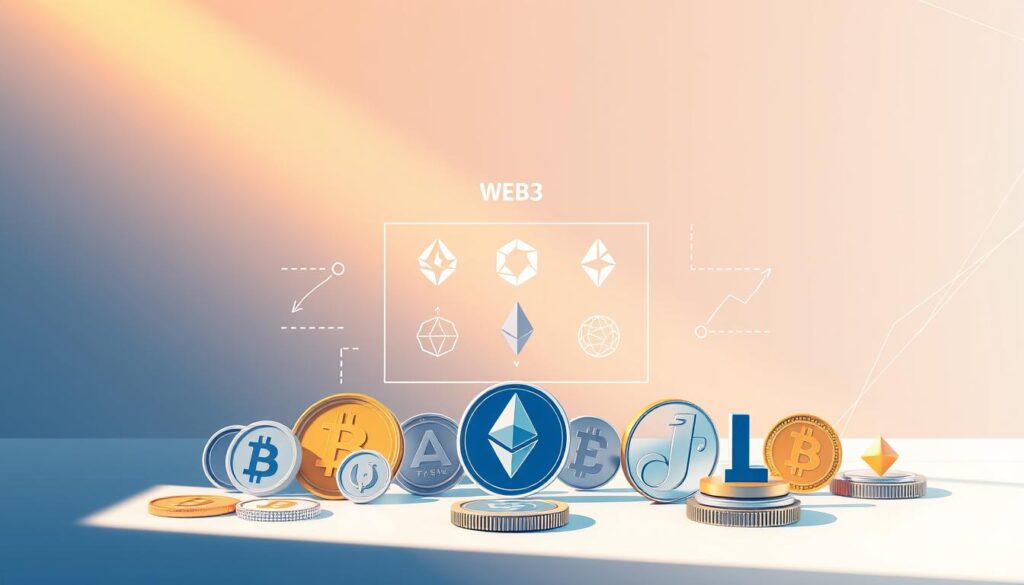
The way people receive payment for their work is undergoing a radical transformation with decentralized tools. Blockchain networks now enable automated compensation systems that track contributions in real time. Instead of waiting for monthly paychecks, participants earn digital assets instantly through transparent protocols.
Internet-native organizations (DAOs) automate payments using self-executing contracts. These systems distribute tokens based on predefined rules, removing bureaucratic delays. A developer in Argentina might receive rewards immediately after completing a task for a Protocol DAO, while a designer earns shares in a Collector DAO’s digital assets.
Traditional and modern payment structures differ fundamentally:
| Factor | Traditional Model | Blockchain Model |
|---|---|---|
| Payment Timing | Biweekly/Monthly | Real-time |
| Value Control | Corporate HR | Smart Contracts |
| Reward Type | Fixed Salary | Tokens + Governance Rights |
Volatility remains a consideration, but stablecoins and instant conversion tools help manage risks. Tax reporting requires new strategies, as digital transactions leave immutable records. These models create alignment—when networks grow, contributors benefit directly through asset appreciation and governance influence.
The Mechanics of DAOs and Digital Coordination Layers
Digital organizations now operate through transparent rules encoded in blockchain systems. Unlike traditional companies, these groups use self-executing agreements to manage tasks like payments and voting. Every transaction and decision becomes visible on public ledgers, creating trust among participants worldwide.
Understanding Smart Contracts and Automation
Smart contracts act as robotic managers. They automatically distribute rewards when contributors complete verified tasks. For example, a developer might receive tokens immediately after code passes peer review. These digital agreements handle:
- Payments based on predefined milestones
- Voting systems for project decisions
- Resource allocation through community proposals
“The code doesn’t care about titles or office politics—it just executes what members agree to.”
Types of DAOs: Protocol, Investment, and Service Models
Different structures serve unique purposes in decentralized ecosystems:
| DAO Type | Focus | Example |
|---|---|---|
| Protocol | Govern blockchain networks | MakerDAO |
| Investment | Pool funds for assets | PleasrDAO’s NFT acquisitions |
| Service | Provide specialized skills | Marketing collectives |
Protocol models maintain technical infrastructure. Investment groups acquire digital assets representing shared values. Service networks match expertise with projects needing solutions. All types share core features: open participation, transparent treasuries, and member-driven governance.
Members join using tokens that represent voting power. This system lets contributors influence decisions proportionally to their involvement. The structure eliminates gatekeepers while maintaining accountability through immutable records.
Earning Models Shaping the Future of Income
New earning frameworks are redefining how value translates into income across digital ecosystems. Three distinct approaches let individuals align their skills with projects needing solutions. These systems prioritize flexibility while maintaining clear reward structures.
Core Contributors: The Work-to-Earn Model
Full-time participants drive project development through focused involvement. Unlike traditional roles, these positions offer shared governance rights alongside compensation. Teams stay lean through automated tools that amplify individual impacts.
Bounty Hunters and Contribute-to-Earn Dynamics
Specialists tackle specific tasks across multiple organizations. A developer might fix code vulnerabilities for one group while designing interfaces for another. Rewards flow immediately upon task completion, creating merit-based opportunities.
Network Participants and Passive Income Opportunities
Everyday actions now generate value through participation incentives. Gamers earn tokens by testing new features. Educators receive digital assets for creating tutorials. These models turn routine activities into revenue streams.
| Model | Engagement Style | Reward Structure | Time Commitment |
|---|---|---|---|
| Core Contributor | Long-term collaboration | Tokens + Voting shares | Full-time |
| Bounty Hunter | Task-based projects | Fixed token payments | Variable |
| Network Participant | Activity-driven | Micro-rewards per action | Casual |
These frameworks let people mix approaches based on availability. A graphic designer might contribute core hours to a design collective while completing bounties for gaming platforms. The system thrives on versatility, offering multiple paths to financial growth.
Innovative Digital Economies and the Impact of NFTs
Scarcity in the digital realm is creating unprecedented economic opportunities. For the first time, unique virtual assets can be owned, traded, and verified through blockchain technology. This shift empowers creators and users alike to benefit from digital interactions in tangible ways.
The Role of Digital Scarcity in Value Creation
Online spaces once struggled to replicate real-world rarity. Blockchain solves this through non-fungible tokens (NFTs) that prove authenticity and origin. Gaming platforms like Axie Infinity demonstrate this shift—players earn 95% of revenue from selling in-game digital items, flipping traditional profit models.
Art markets have transformed completely. Platforms such as SuperRare enable creators to earn through:
- Initial sales with 10-15% commissions
- Automatic royalty payments on resales
- Community rewards via token distributions
Generative art projects like Generative Masks show the power of this model, generating $3 million by combining code-based creation with limited editions. Collectors gain more than art—they acquire provable stakes in cultural movements.
“My NFT sales in one month surpassed a decade of gallery earnings.”
These systems create circular economies where participation drives value. As scarcity becomes programmable, new markets emerge for virtual land, collectibles, and even social media posts. The rules of engagement now favor creators over corporate intermediaries.
The Role of Web3 in Enabling Ownership and Digital Sovereignty
Digital participation has evolved from passive consumption to active control. Early internet users could only view content. Later platforms allowed creation but kept ownership centralized. Now, distributed systems let individuals claim true authority over their contributions.
From Reading and Writing to Owning Digital Assets
Traditional gaming platforms highlight the ownership gap. Players spend billions on virtual items they can’t transfer or sell. One popular battle royale game generated $9 billion in cosmetic sales—yet users own nothing. Blockchain-based alternatives flip this model:
- In-game purchases become tradeable assets
- Players earn tokens for achievements
- Communities govern item economies through peer networks
This shift creates real-world value from digital efforts. A sword earned through gameplay could fund college tuition if sold to collectors. Users become stakeholders rather than temporary renters.
Blockchain’s Contribution to Trustless Transactions
Distributed ledgers remove reliance on centralized validators. Smart contracts execute trades automatically when conditions meet. Consider these improvements over legacy systems:
| Feature | Web2 Model | Web3 Model |
|---|---|---|
| Asset Control | Platform holds keys | User-controlled wallets |
| Revenue Share | 0-10% creator cuts | 90-100% owner profits |
| Interoperability | Locked ecosystems | Cross-platform usage |
“I sold my rare armor piece for $2,300—money that actually stays in my pocket.”
These systems redistribute power from corporations to communities. As tools mature, expect more industries to adopt ownership-focused frameworks.
Bridging Education and Income with New Learning Models
Education and creative expression are becoming powerful income generators through innovative systems. These approaches turn skill-building and artistic output into measurable value, creating financial opportunities previously locked behind institutional gates.
Learn-to-Earn: Incentivizing Skill Development
Platforms like RabbitHole demonstrate how learning translates to earnings. Users receive tokens for mastering blockchain tools that benefit networks like Uniswap and Polygon. Over $750,000 has been distributed through this model.
The system creates mutual benefits. Learners gain practical skills while protocols acquire knowledgeable users. Time spent studying becomes an investment rather than a cost.
Create-to-Earn: Transforming Art and Content Creation
Artists and musicians now earn through participation, not just sales. SuperRare awarded early adopters 15% of governance tokens. Audius shares platform revenue with creators for uploading tracks and curating playlists.
These models reward contributions that build community value. Content creation evolves from isolated work to collaborative ownership, with creators holding stakes in the tools they use daily.
FAQ
How do decentralized autonomous organizations (DAOs) operate differently from traditional companies?
DAOs use blockchain-based smart contracts to automate decision-making, replacing hierarchical structures with community governance. Members often hold tokens to vote on proposals, allocate funds, and shape projects without centralized leadership.
What advantages do blockchain-based compensation models offer over conventional salaries?
These models enable borderless payments, instant settlements, and ownership stakes in projects through tokens. Platforms like Ethereum facilitate programmable earnings, allowing contributors to earn from global networks rather than fixed employer relationships.
How do non-fungible tokens (NFTs) generate income in digital economies?
NFTs create value through verifiable scarcity, enabling artists and creators to monetize unique digital items. For example, platforms like SuperRare let creators earn royalties automatically via smart contracts each time their work is resold.
What skills are essential for participating in Web3 projects?
Technical skills like coding smart contracts or designing decentralized apps are valuable, but soft skills—community building, governance participation, and collaboration—are equally critical. Platforms like Gitcoin offer bounties for tasks ranging from development to content creation.
Can individuals earn passive income through decentralized networks?
Yes. By staking tokens or providing liquidity on platforms like Uniswap, users earn rewards based on network activity. Similarly, holding governance tokens in protocols like Compound can yield dividends from platform fees.
How do smart contracts ensure transparency in decentralized work agreements?
Smart contracts execute automatically when predefined conditions are met, removing the need for intermediaries. For instance, a developer paid in DAI stablecoin might receive funds instantly upon completing a milestone verified by code.
What risks come with relying on token-based compensation?
Volatility in digital asset prices can affect earnings stability. Regulatory uncertainty and smart contract vulnerabilities, as seen in incidents like the Poly Network hack, also pose challenges requiring due diligence.
How does the "learn-to-earn" model reshape education?
Platforms like RabbitHole reward users with tokens for completing blockchain tutorials or interacting with protocols. This merges skill development with tangible incentives, aligning education with real-world Web3 opportunities.

