

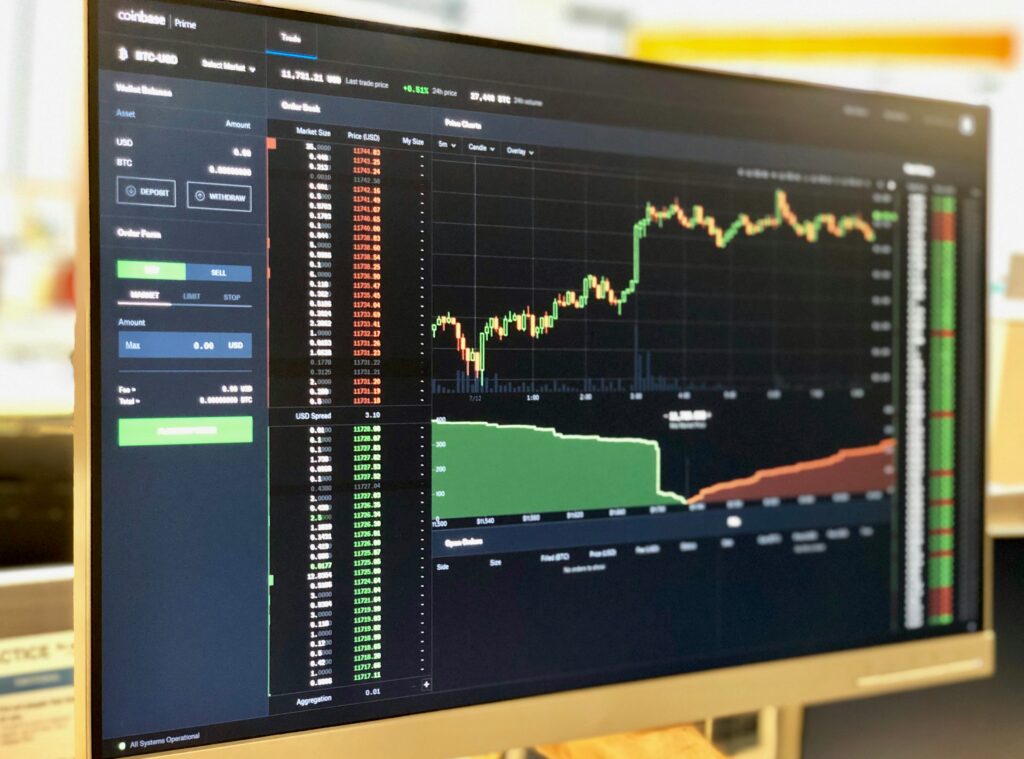
The cryptocurrency market has seen big changes leading up to 2025. It has grown a lot and become more complex. This growth has also brought more ups and downs, making traders adjust their plans.
Things like market trends, new rules, and big economic changes affect this volatility. These factors make the market unpredictable.
By 2025, market trends will be fast-paced, with quick changes in what investors want and new tech. Decentralized finance (DeFi) and non-fungible tokens (NFTs) have brought in more people to trade. Also, big investors coming in have made the market more lively.
But, their big moves can also shake things up. This can make prices jump up and down a lot.
New rules from governments are also changing the game. They aim to protect investors and stop bad activities. These rules can make prices move a bit, sometimes.
For example, stricter rules might make investors a bit nervous at first. But clear rules can help build trust for the long run.
Big economic events also play a big part. Things like inflation, interest rate changes, and world tensions can make people want to buy or sell more. Traders need to plan carefully for these changes.
As we move into 2025, knowing how to deal with these changes will be key. It’s important for making the most money in the changing crypto markets.
Understanding Market Volatility
Volatility in the crypto market is key for trading and investing. It’s how much prices change over time. In crypto, this is especially true because of things like speculation, news, tech, and how people feel about the market.
Speculation is a big reason for volatility. Traders guess what might happen next, not just based on value. News about rules, partnerships, or new tech can quickly change prices as traders react fast.
Also, the crypto market is still young and not as regulated as others. This makes it more likely to change quickly because of how people feel and act.
News is another big factor. Big announcements can quickly change how investors feel and act. For example, if a big company starts using crypto, prices might go up fast. But bad news can make people sell quickly, causing prices to drop fast.
New tech is also important. New developments can make investors excited or worried. This can affect how they trade. And how people feel about the market also plays a big role. Emotions can lead to irrational trading, causing prices to swing.
Knowing these factors is crucial for traders in the crypto world. Staying up to date with the market can help traders make smart choices. This can help them make more money in this unpredictable market.
Essential Trading Strategies for Volatile Markets
In the fast-changing world of crypto trading, picking the right strategy is key. Day trading, swing trading, and scalping are three main strategies. Each has its own benefits and risks that traders need to think about carefully.
Day trading is all about making many trades in one day. It’s great for volatile markets where prices can change a lot quickly. Day traders close all their positions by the end of the day to avoid risks from overnight changes. They need to be very aware of the market and good at analyzing it quickly to make the right moves.
Trading Strategies
Day trading is all about making quick profits in a single day. Traders use charts and trends to spot short-term price changes. This strategy needs quick thinking and fast action.
Swing trading aims for gains over a few days to weeks. Traders look for price swings in the market. It offers a chance for bigger returns but requires careful risk management.
Scalping is for ultra-short-term gains, focusing on small price changes. Scalpers make many trades a day. It’s fast-paced but risky, needing quick decisions and a solid exit plan.
Risk Management Techniques
Risk management is key in crypto trading, especially in volatile markets. Using stop-loss orders is a basic strategy. It limits losses by selling when the price hits a set level.
Position sizing is about how much of a cryptocurrency to trade. It helps manage risk based on the trader’s capital. Risking 1-2% of capital per trade is a common rule.
Diversifying a portfolio is another risk management tactic. It spreads investments across different cryptocurrencies. This reduces risk and opens up opportunities for growth.
Utilizing Technical Analysis
Technical analysis is a key tool for traders. It uses historical data and indicators to predict price movements. In volatile markets, it’s even more important.
Moving Averages help identify trends. A “golden cross” signals an uptrend, while a “death cross” suggests a downtrend. These signals are based on the relationship between short-term and long-term averages.
The Relative Strength Index (RSI) shows when the market is overbought or oversold. Values above 70 or below 30 indicate potential price reversals. Combining RSI with chart patterns helps traders see trends clearly.
Adding market sentiment analysis to technical indicators gives a fuller picture. It involves looking at news and social media to understand market mood. This helps traders make better decisions in the fast-paced crypto market.
Psychological Aspects of Trading
Trading in volatile markets is often influenced by psychological factors. Fear and greed are two major emotions that traders face. Fear can lead to impulsive decisions, like exiting positions too early or missing opportunities. Greed can cause traders to hold onto positions for too long, chasing high profits and increasing risk.
To develop a disciplined trading mindset, it’s key to control emotions and make rational decisions. Creating a detailed trading plan helps. It should include clear entry and exit strategies, risk management rules, and profit targets. Sticking to this plan helps reduce emotional influence and keeps traders focused on their goals.
Practicing mindfulness, like meditation or deep-breathing exercises, can also help. Keeping a trading journal is another useful tool. It helps traders reflect on their decisions, identify patterns, and learn from past experiences. This way, they can understand their emotional triggers and avoid impulsive actions.
Understanding the psychological aspects of trading helps navigate volatile markets better. By addressing emotional responses and using thoughtful strategies, traders can make better decisions. This increases their chances of success in a competitive environment.
Leveraging Automation and Tools
The crypto trading landscape is changing fast, making automation and tools more important. Trading bots are a popular choice. They use algorithms to make trades for users, based on set parameters. This way, traders can take advantage of price movements without constant monitoring.
Algorithmic trading platforms are also gaining traction. They execute trades at speeds humans can’t match. These platforms use data analysis to find opportunities in real-time, making quick decisions to maximize profits. This approach reduces the emotional impact of trading, which often leads to poor decisions during market volatility.
Portfolio trackers are also crucial for managing investments. They let users track their holdings in real time. This provides insights into asset allocation and overall portfolio health. By analyzing market trends and coin performance, traders can adjust their strategies to maximize profits.
Alerts and notifications are key for timely decision-making. Setting up price alerts or market event notifications keeps traders informed of significant changes. By using these tools, crypto traders can streamline their processes and thrive in volatile conditions.
Staying Informed: News and Trends
In the fast-paced world of crypto trading, staying informed is crucial. Rapid changes can impact market dynamics. It’s important for traders to follow credible news channels and financial publications. These sources provide updates on regulatory changes, technological advancements, and market analysis, affecting trading decisions.
Social media platforms are also vital for real-time information. Influential figures in the crypto space share insights and predictions. Engaging with these experts on platforms like Twitter and YouTube can offer unique perspectives. However, it’s important to critically assess the credibility of sources to avoid misinformation.
Staying updated on market reports and performance analytics is also key. Understanding market sentiment and liquidity is essential for effective trading strategies. Continuous learning is crucial in the crypto landscape. Traders must adapt their strategies as new developments arise. Online courses, webinars, and discussion forums can enhance knowledge and decision-making skills.
Keeping an eye on industry news and trends is key to a proactive trading approach. Traders can use this information to seize opportunities and avoid risks. In the fast-changing world of cryptocurrency, those who stay informed often come out on top.
Conclusion and Future Outlook
Cryptocurrency trading is always changing, and good strategies are more important than ever. This blog has covered several ways to deal with volatile markets in 2025. Key points include managing risks, using technical analysis, and staying emotionally disciplined.
These strategies help traders make better decisions and increase their profits. The future of cryptocurrency trading will be shaped by many factors. These include new rules, tech advancements, and how digital currencies are accepted in finance.
Traders need to stay flexible and keep up with market changes. It’s important to keep learning about new trends and changes in the cryptocurrency world.
Also, having a long-term view is crucial. Quick decisions can lead to big losses in volatile markets. A mix of short-term tactics and long-term strategies can help manage risks and take advantage of market swings.
By using these strategies and staying alert to market changes, traders can succeed in the fast-paced world of cryptocurrency. Adopting these methods can improve profits and help traders stay strong in the face of market ups and downs.
🧠 Frequently Asked Questions (FAQ)
❓ 1. What are the best crypto trading strategies for volatile markets?
Answer:
The most effective crypto trading strategies for volatile markets include day trading, swing trading, and scalping. These strategies help traders capitalize on rapid price movements. Pairing them with strong risk management techniques like stop-loss orders and portfolio diversification can enhance results and minimize losses.
❓ 2. How does technical analysis help in crypto trading?
Answer:
Technical analysis is essential in crypto trading as it uses historical price data and indicators to forecast market trends. Tools like Moving Averages, RSI (Relative Strength Index), and chart patterns help traders identify ideal entry and exit points, especially in volatile conditions.
❓ 3. Why is risk management important in crypto trading?
Answer:
Crypto markets are unpredictable, making risk management a key to success. Methods such as using stop-loss orders, calculating position sizes, and diversifying across different coins help traders control losses and protect capital from major market swings.
❓ 4. Can automation tools improve crypto trading performance?
Answer:
Absolutely. Automation tools like trading bots and algorithmic platforms execute trades based on pre-set strategies. They eliminate emotional decisions, respond faster to market changes, and help traders optimize profits while reducing human error.
❓ 5. How do emotions affect crypto trading decisions?
Answer:
Emotional trading driven by fear or greed can lead to impulsive decisions and poor outcomes. Maintaining discipline, following a solid trading plan, and practicing techniques like mindfulness or journaling can help traders stay rational and improve long-term success.
Spot ETFs and the Bitcoin Halving: How These Events Are Reshaping Crypto Investing
Web3 Unleashed: The Blockchain-Powered Internet is Closer Than You Think
Why Diversifying Your Crypto Portfolio Matters
What the New ETF Means for Bitcoin Investors
How Global Events Are Influencing Bitcoin Trends

