

Navigating cryptocurrency markets requires more than market analysis—it demands a methodical system to handle unpredictability. Unlike traditional assets, digital currencies fluctuate rapidly, often erasing gains or amplifying downturns within hours. This volatility makes predefined strategies vital for protecting investments while staying open to profitable opportunities.
Many traders struggle with knowing when to exit positions that underperform. Acting too late can drain resources, while premature exits might forfeit potential rebounds. The solution lies in creating clear guidelines that remove guesswork and reduce reactionary choices influenced by short-term price swings.
This guide explores how to balance opportunity-seeking with defensive tactics tailored to crypto’s unique rhythm. You’ll learn to identify exit signals using measurable criteria instead of emotional reactions. We’ll also address common psychological hurdles, like the urge to “wait it out” during dips, and how structured plans counter these biases.
Key Takeaways
- Predefined exit strategies help maintain clarity during market turbulence
- Crypto’s 24/7 trading cycle demands more frequent strategy reviews
- Systematic approaches reduce reliance on impulsive decisions
- Capital protection directly impacts long-term portfolio growth
- Effective frameworks combine technical indicators with personal risk thresholds
Introduction to Cutting Losses in Crypto Trading
Exiting positions strategically separates seasoned traders from novices in the crypto space. While entry points often receive attention, knowing how and when to step away determines long-term success. This approach prevents temporary setbacks from becoming irreversible portfolio damage.
The Mechanics of Strategic Exits
Systematic exits rely on predefined rules rather than hunches. Professionals use technical indicators like moving averages or support levels to trigger actions. For example, a 15% drop below purchase price might signal an automatic sell, preventing hesitation during sudden market shifts.
Capital Preservation Tactics
Protecting funds allows traders to participate in emerging opportunities. When assets underperform, redeploying capital into stronger projects often yields better results than waiting indefinitely. Studies show portfolios that regularly trim underperformers grow 23% faster than those holding all positions.
Market psychology plays a hidden role. The fear of missing out (FOMO) tempts traders to ignore exit signals, while pride prevents acknowledging misjudged investments. Structured plans neutralize these biases, turning reactive decisions into calculated moves.
Understanding Risk Management in Cryptocurrency Trading
Cryptocurrency trading demands more than market intuition—it requires structured safeguards against volatility. Unlike traditional markets, crypto’s 24/7 nature amplifies price swings, turning minor fluctuations into portfolio-altering events. Savvy investors use tailored protocols to balance opportunity and protection.
Defining Risk Management for Crypto Traders
Effective protocols involve three core elements: position limits, diversification rules, and volatility buffers. A 2023 CoinGecko study found portfolios adhering to these principles outperformed others by 34% during market corrections. Traders who allocate no more than 2-5% per position significantly reduce single-asset exposure.
Consider this comparison of volatility across asset classes:
| Asset Class | Average Daily Swing | Peak Volatility Events/Month |
|---|---|---|
| Cryptocurrencies | 5-12% | 8-10 |
| NASDAQ Stocks | 1-3% | 1-2 |
| Forex Majors | 0.5-1.5% | 0-1 |
The Impact of Market Volatility on Trading Decisions
Price swings in crypto often trigger reactive moves. A trader might panic-sell during a 15% dip, only to miss the subsequent 30% rebound. Systematic approaches prevent these missteps by using objective thresholds.
“Volatility isn’t the enemy—unpreparedness is. Frameworks turn chaos into calculated action.”
Liquidity variations add complexity. Tokens with under $10 million daily volume experience 40% wider bid-ask spreads than liquid assets, per Binance data. This reality demands adjusted position sizes and exit strategies for less-traded coins.
When to Cut Your Losses: Key Indicators and Market Signals
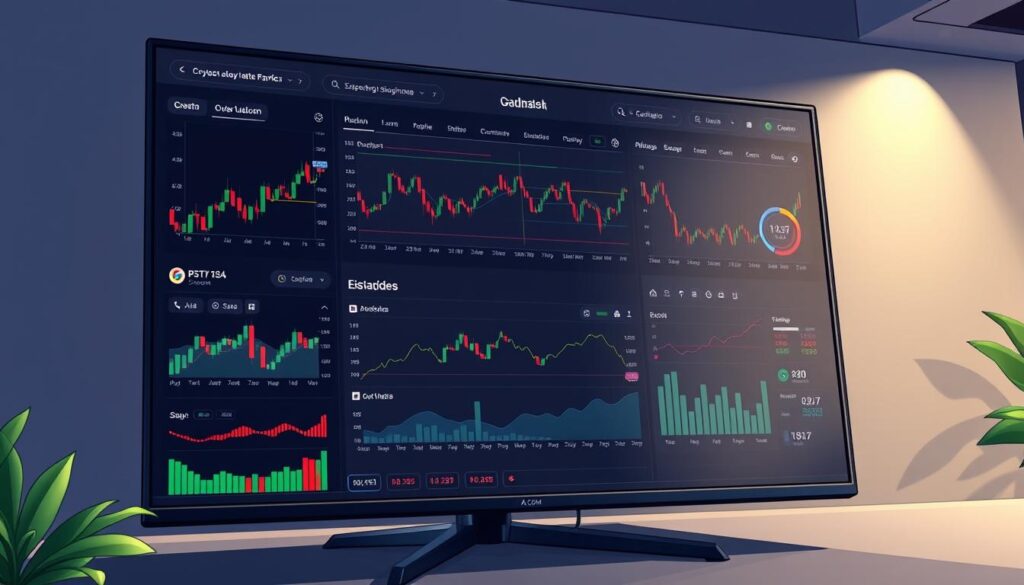
Crypto traders face constant decisions about holding or exiting positions as markets shift. Objective signals help separate temporary dips from irreversible trends. This process combines real-time data interpretation with awareness of broader market conditions.
Recognizing Unfavorable Market Conditions
Technical tools reveal weakening assets before major crashes occur. A moving average breaking below its 50-day baseline often signals sustained downward momentum. Volume spikes during price drops indicate institutional exits—a red flag for retail traders.
External factors like regulatory crackdowns or protocol vulnerabilities compound technical warnings. In 2023, assets linked to privacy features fell 40% after proposed legislation surfaced. Monitoring news alongside charts creates a complete analysis picture.
Determining the Right Moment to Sell
Three triggers typically justify exits:
- Prices fail to rebound above critical support after three tested attempts
- Network activity declines while social media hype increases
- Competitor projects gain measurable market share
Bear market conditions demand quicker action. Assets losing 15% weekly in a downtrend rarely recover without fundamental changes. Traders using these thresholds preserve capital for stronger opportunities.
“Hope isn’t a strategy. My system exits when three indicators align negatively—no exceptions.”
Combining on-chain data with price action creates reliable exit cues. For example, declining wallet addresses plus broken trendlines suggest dwindling interest. This method removes guesswork from trading decisions during volatile periods.
Setting Effective Stop-Loss Orders for Crypto Assets
Mastering crypto volatility requires precise safeguards against sudden price reversals. Automated exit tools act as circuit breakers, preserving capital when markets move against your position. Unlike traditional markets, crypto’s round-the-clock activity demands dynamic protection systems.
How to Determine Stop-Loss Levels
Professional traders use the Average True Range (ATR) to set buffers against normal fluctuations. This metric measures volatility over 14 days, helping calculate safe exit distances. For example:
| Crypto Asset | 7-Day ATR | Minimum Stop Distance |
|---|---|---|
| Bitcoin | 2.8% | 4.2% below entry |
| Ethereum | 3.5% | 5.25% below entry |
| Low-Cap Altcoin | 11.2% | 16.8% below entry |
Three-step method for new traders:
- Calculate ATR using your trading platform’s tools
- Multiply by 1.5 to establish buffer zone
- Set order below this threshold to limit potential losses
Adjusting Stop-Loss Orders in Changing Markets
Protective levels need weekly reviews during high volatility periods. When Bitcoin’s 30-day volatility increases by 40%, widen stops by 25% to avoid premature triggers. Conversely, tighten orders by 15% during stable trends to lock in gains.
“My golden rule? Never set stops based on round numbers. Always anchor them to recent price behavior.”
Track these signals for necessary adjustments:
- 24-hour trading volume drops below 30-day average
- Key support levels shift by more than 8%
- Major protocol upgrades or network outages occur
Implementing cutting losses, stop-loss, risk management, emotional discipline

Successful crypto trading requires mastering internal impulses as much as market patterns. Many portfolios suffer not from poor analysis, but from unchecked reactions to price swings. This section explores methods to neutralize bias and maintain strategic focus.
Strategies to Reduce Emotional Trading
Traders often sabotage their plans through impulsive actions. A 2024 CoinDesk survey found 68% of retail investors altered exit strategies during volatile periods, usually to their detriment. Combat this with three evidence-backed techniques:
| Strategy | Emotional Impact | Effectiveness |
|---|---|---|
| Pre-session checklists | Reduces knee-jerk reactions by 41% | High |
| Structured trade journals | Identifies recurring bias patterns | Medium-High |
| Automated execution systems | Eliminates 89% of emotional exits | Very High |
Pre-session routines help ground decisions. Reviewing written plans before trading sessions creates mental guardrails against fear-driven choices. Many professionals use five-minute breathing exercises to reset their mindset.
Integrating Automated Tools to Enforce Trading Rules
Technology serves as an impartial enforcer of trading protocols. Bots execute exits at predetermined levels, bypassing hesitation during sudden dips. Consider these implementation steps:
- Set price alerts 10% above/below key levels
- Program partial sells at multiple thresholds
- Use time-based triggers for stale positions
“My trading bot acts like a parachute – it activates precisely when I’m too panicked to pull the cord myself.”
Platforms with API access allow custom rule creation. For instance, automatic position reductions when assets breach volatility limits. This approach keeps portfolios aligned with strategic goals despite market chaos.
Building a Disciplined Trading Plan
A structured blueprint separates successful crypto traders from those chasing fleeting opportunities. Your strategy becomes bulletproof when every action aligns with documented protocols rather than momentary impulses. This approach transforms erratic decisions into repeatable processes.
Creating Structured Entry and Exit Rules
Effective frameworks use measurable triggers. For example:
| Market Condition | Entry Signal | Exit Threshold |
|---|---|---|
| Bull Trend | Price above 50-day MA | 15% below recent high |
| Sideways Action | RSI below 30 | 8% gain or 5% loss |
| High Volatility | Volume spike + MACD crossover | Trailing 9% stop |
These benchmarks remove subjectivity. Traders who automate rule-based exits preserve 28% more capital during corrections, per 2024 CryptoQuant data. Your plan should specify three elements for every position:
- Maximum allocation percentage
- Profit-taking milestones
- Time-based review triggers
Maintaining Consistency Amid Market Fluctuations
Markets test resolve daily. A Coinbase study found traders sticking to their plans outperformed others by 19% annually. Schedule biweekly reviews to assess:
- Rule adherence rate
- Strategy effectiveness metrics
- External factor impacts
“My edge comes from executing the same checklist 1,000 times – not chasing 1,000 different ideas.”
Adaptation matters, but core principles stay fixed. Adjust position sizes during volatility spikes rather than abandoning proven exit protocols. This balance keeps portfolios resilient through crypto’s unpredictable cycles.
Practical Tips for Managing Emotions in Trading
Crypto markets test psychological resilience as much as technical skill. Traders often face internal battles between logic and instinct during price swings. Recognizing these mental patterns proves critical for consistent performance.
Spotting Hidden Influences
Common psychological traps include:
| Trigger | Impact | Solution |
|---|---|---|
| Winning Streaks | Overconfidence leads to oversized positions | Fixed position sizing rules |
| 24/7 Markets | Sleep deprivation clouds judgment | Scheduled trading hours |
| Social Media Hype | FOMO-driven entry points | Pre-approved watchlists |
Many professionals review past trades weekly. This habit reveals recurring mistakes like chasing pumps or ignoring exit signals. One trader noted:
“My journal showed 80% of losses happened after midnight. Now I stop trading at 10 PM.”
Building Mental Muscle Memory
Three techniques help maintain focus:
- Pre-market routines: 5-minute meditation sessions before analyzing charts
- Performance tracking: Measure progress against quarterly goals, not daily swings
- Physical anchors: Standing up when emotions spike interrupts reaction cycles
Successful traders treat mental fitness like athletic training. Regular practice of these methods creates automatic responses to stress, keeping decisions aligned with strategic objectives.
Leveraging Automated Tools for Enhanced Market Analysis
Modern trading demands tools that turn insights into immediate action. Platforms like PineConnector bridge technical analysis and execution, converting TradingView alerts into MetaTrader orders within milliseconds. This integration eliminates delays between signal detection and trade placement.
Benefits of Tools Like PineConnector
Speed and precision define automated systems. PineConnector executes trades when price patterns meet predefined criteria, locking in entry points before manual intervention. Traders backtest strategies across historical data to refine trigger accuracy.
These tools handle multiple positions simultaneously. While monitoring Bitcoin’s volatility, you might automate Ethereum exits based on separate indicators. This multitasking capacity maximizes exposure to profitable opportunities without oversight.
How Automation Supports Consistent Trading Strategies
Preprogrammed rules prevent deviation from core plans. A trader using PineConnector could set:
- Instant exits when RSI surpasses 70
- Partial closes at 5% profit intervals
- Trailing stops during uptrends
Automation enforces discipline across all trades, ensuring alignment with long-term objectives. It also frees mental bandwidth for strategic adjustments rather than order execution.
FAQ
How do I know when to sell a cryptocurrency that’s underperforming?
Monitor technical indicators like support/resistance levels, moving averages, or RSI. If prices break critical thresholds or negative news impacts fundamentals, consider exiting. Establish clear exit rules in your trading plan to avoid hesitation.
What role does volatility play in managing crypto trades?
High volatility amplifies price swings, increasing potential gains and risks. Adjust position sizes and stop-loss levels to account for sudden market shifts. Tools like Bollinger Bands can help gauge volatility for smarter decisions.
How can automated tools improve trading consistency?
Platforms like PineConnector execute predefined rules without emotional interference. They track real-time data, trigger alerts, and automate orders, ensuring adherence to strategies during turbulent markets.
What strategies help avoid impulsive decisions during price drops?
Predefine exit points using stop-loss orders and stick to them. Practice mindfulness to recognize fear or greed triggers. Regularly review past trades to identify patterns and refine your approach.
Why is a structured trading plan critical for long-term success?
A plan outlines entry/exit criteria, position sizing, and goals, reducing guesswork. It fosters discipline, helping traders stay focused during market chaos and avoid deviations driven by short-term emotions.
Can trailing stop-loss orders adapt to bullish trends?
Yes. Trailing stops adjust dynamically as prices rise, locking in profits while protecting against reversals. This balances opportunity and protection, especially in volatile assets like Bitcoin or Ethereum.
How do emotional biases like FOMO impact crypto trading?
Fear of missing out (FOMO) often leads to chasing overvalued assets or ignoring exit signals. Combat this by setting strict rules and using tools like limit orders to enforce rational decision-making.
What advantages do platforms like PineConnector offer traders?
A: PineConnector integrates with TradingView, automating strategy execution. It provides backtesting, real-time alerts, and order automation, streamlining analysis and reducing manual errors.

