

Imagine owning a piece of a skyscraper or a rare painting with just a few clicks. This isn’t science fiction—it’s happening right now. Physical items we’ve always valued are becoming digital tokens, opening doors for global investors. Leading firms like BlackRock and Goldman Sachs are betting big on this trend, reshaping how we think about ownership.
This shift isn’t just theoretical. The market for these digitized holdings has already hit $35.9 billion. Experts say it could soar past $50 billion this year and reach $10 trillion by 2030. What’s driving this boom? A blend of cutting-edge systems and fresh ways to manage value.
Here’s what makes this movement exciting: everyday people can now access opportunities once limited to the ultra-wealthy. Whether it’s property, commodities, or collectibles, these items gain new life as tradeable digital units. They’re available around the clock, breaking free from traditional market hours.
This guide will show you how this innovation works and why it matters. You’ll learn how modern tools create secure, transparent ownership records. We’ll also explore how this evolution impacts global finance, offering smarter strategies for growing wealth.
Key Takeaways
- Physical valuables are becoming digital tokens, creating global investment opportunities
- Major financial institutions are actively adopting this new model
- Market value could grow from $35.9 billion to $10 trillion by 2030
- 24/7 trading access replaces traditional market limitations
- Democratized access lets anyone invest in high-value items
- Secure digital records replace paper-based ownership systems
Introduction to the Future of Finance
What happens when Wall Street meets decentralized networks? A financial metamorphosis. Systems once separated by paperwork and bureaucracy now blend seamlessly through advanced digital solutions. This fusion unlocks opportunities that redefine value exchange across industries.

Bridging Traditional Finance and Blockchain Innovations
Traditional finance institutions and blockchain technology now collaborate like never before. Banks adopt decentralized ledgers to speed up transactions, while crypto platforms integrate regulated asset classes. Markets operate nonstop, breaking free from time zones and holiday closures.
Settlement times shrink from days to minutes. Automated agreements handle complex rules without human middlemen. Investors gain access to global opportunities through secure digital gateways. This hybrid model combines institutional trust with tech-driven efficiency.
The Evolution of Digital Ownership
Physical certificates fade into history. Digital tokens now represent everything from bonds to rare collectibles. Each token acts as a tamper-proof deed, recording every transaction on public ledgers. This shift creates transparency that paper trails could never match.
Ownership becomes fluid. Partial investments in high-value items let diverse portfolios grow. Historical records stay accessible forever, reducing disputes and fraud. As boundaries between physical and digital blur, value transforms into something both tangible and endlessly adaptable.
Turning Tangible Value Into Digital Opportunities
Picture a world where your most valuable possessions exist as digital entries, yet hold the same weight as physical deeds. This transformation reshapes how we interact with items like property, rare collectibles, or even intellectual creations. Digital certificates now mirror ownership of these items, creating flexible investment avenues once reserved for elite circles.
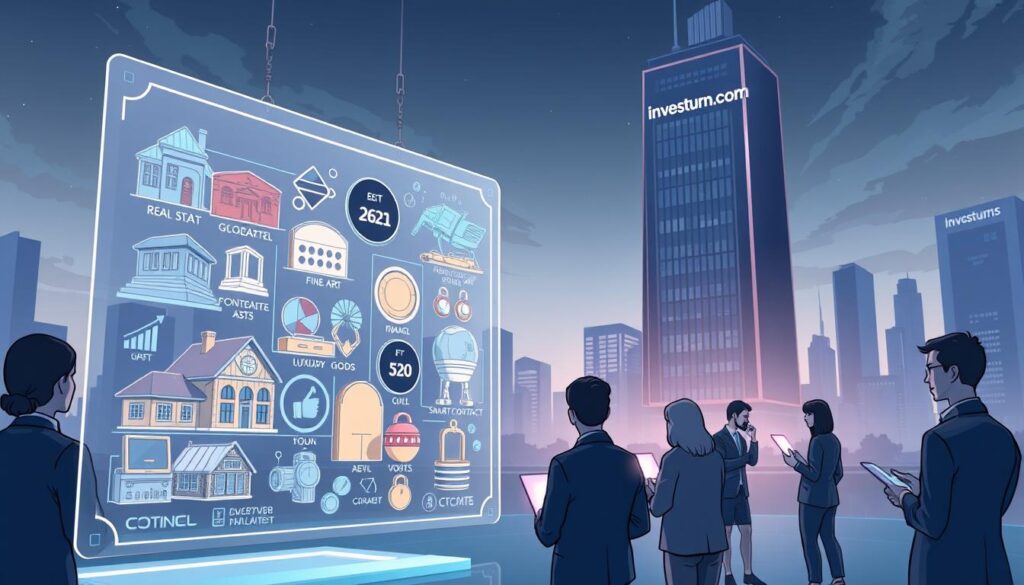
The magic happens through a process that slices ownership into fractional shares. A vintage car or commercial building becomes divisible, letting multiple investors own portions through secure digital entries. This approach solves liquidity challenges tied to high-value items, letting markets operate beyond traditional hours.
At the core lies automated agreements that enforce rules without third parties. Imagine selling a portion of your art collection at midnight—the system handles payments and rights transfers instantly. These protocols reduce paperwork and errors while speeding up transactions that once took weeks.
Transparency becomes unavoidable. Every trade leaves an unchangeable mark on public ledgers, creating audit trails that outpace paper records. Investors verify an item’s history with a few clicks, building trust in markets previously clouded by opacity.
This shift doesn’t erase physical value—it amplifies it. Owners gain global audiences for their holdings, while buyers access diversified portfolios without massive upfront costs. The result? A financial landscape where value flows freely between hands, screens, and vaults alike.
The Benefits of Tokenizing Physical Assets
Imagine trading a fraction of a vintage car as easily as buying stocks online. This revolution in value exchange turns clunky processes into seamless digital experiences. Physical items gain new superpowers through digitization—superior efficiency, broader access, and instant tradability.
Cutting Costs, Boosting Speed
Traditional asset management often drowns in paperwork. Digitization slashes administrative costs by 40% or more by automating manual tasks. One commercial real estate firm reduced settlement times from 45 days to 72 hours using automated systems.
Middlemen fade into the background. Secure digital ledgers handle ownership transfers instantly. This lean approach lets investors redirect savings into growth opportunities instead of fees.
Breaking Down Investment Barriers
Fractional ownership reshapes who can participate. A $5 million building becomes 50,000 affordable shares. Investors build diversified portfolios with smaller amounts, while sellers tap global demand pools.
Markets stay open 24/7, converting static holdings into liquid positions. Rare art or private equity stakes trade like blue-chip stocks. Real-time transparency builds trust—every transaction gets recorded permanently.
This shift isn’t just about technology. It’s about creating fairer access to wealth-building tools. From Tokyo to Texas, anyone with an internet connection can now claim stakes in premium assets.
The Tokenization Process and How It Works
How does a vintage car transform into digital shares? The journey from physical item to tradeable digital units follows six precise stages. Each step combines legal precision with tech innovation to create secure, liquid investments.
Asset Identification and Legal Structuring
The first stage picks winners. Teams evaluate potential candidates based on clear ownership history and market appeal. A Manhattan penthouse might make the cut, while obscure collectibles often don’t.
Legal teams then build guardrails. They navigate securities laws across regions, creating compliance frameworks. “This legal layer turns speculative tech into regulated investment vehicles,” notes financial analyst Rachel Chen.
| Traditional Process | Tokenized Approach |
|---|---|
| 60-90 day settlements | Instant transactions |
| Paper-based records | Digital audit trails |
| $50k+ minimums | $100 fractional shares |
Digital Representation and Smart Contracts in Action
Tech teams convert physical value into digital tokens. Each token acts like a fingerprint—unique and traceable. Standards like ERC-3643 help maintain consistency across platforms.
Automated contracts then take over. They handle payments, royalty splits, and ownership transfers. When someone buys tokens representing a solar farm, these protocols instantly update registries and distribute profits.
Security remains paramount throughout. Multi-layered encryption protects both digital tokens and their physical counterparts. Regular audits ensure systems adapt to emerging threats, keeping investor trust intact.
Real-World Use Cases: From Real Estate to Trading Cards
Your childhood baseball card collection just became a goldmine. Meanwhile, that beachfront condo you’ve eyed for years? It’s now available in bite-sized shares. These innovations show how digital ownership reshapes markets once limited by physical barriers.
Transforming Real Estate Ownership
Property investments no longer require six-figure commitments. Digital shares let multiple investors own slices of commercial buildings or vacation homes. A $2 million Miami penthouse might split into 20,000 affordable tokens. “This approach turns concrete into liquid value,” says real estate tech pioneer Rachel Chen.
Gone are the days of notarized documents and title searches. Automated systems now handle deed transfers in minutes instead of weeks. Buyers verify ownership history through permanent digital records, reducing disputes over property lineage.
Digitizing Collectibles and Trading Cards
That 1952 Mickey Mantle card gathering dust? It’s now a tradeable digital asset. Rare collectibles gain new life as NFTs, with built-in proof of authenticity. Fans can own fractions of iconic memorabilia or entire digital collections.
The benefits stack up quickly:
- No storage fees for digital cards
- Instant global trading at 2 AM
- Collateral for crypto loans
One platform recently sold a Babe Ruth autograph NFT for $365,000—without shipping a physical item. This shift creates investment opportunities for casual collectors and serious traders alike. Whether it’s a skyscraper or a signed jersey, value now flows freely across screens and borders.
Market Trends and Future Projections in RWA Crypto
Digital markets are reaching unprecedented heights, reshaping how we think about wealth creation. What started as niche experiments now command billions in locked value, with institutions racing to adapt.
Current Market Cap and Growth Potential
The numbers speak volumes. Digital asset markets hit $35.9 billion this year—a figure expected to jump 40% before December. Analysts see this as just the beginning. One industry leader puts it bluntly:
“The next evolution for markets lies in digitizing ownership structures.”
Traditional financial giants aren’t watching from the sidelines. Firms managing $118 billion in digitized holdings now use systems that operate 24/7. Ethereum alone hosts half this value, proving its dominance in secure transactions.
| Traditional Markets | Emerging Digital Markets |
|---|---|
| $50B avg. daily trades | $6B+ locked in protocols |
| 3-5 day settlements | Instant ownership transfers |
| Limited access hours | Global 24/7 trading |
Investors gain exposure to previously inaccessible opportunities. Farmland, rare metals, and even sports memorabilia now trade like stocks. This shift could push total market value past $10 trillion within six years.
The growth isn’t just about size—it’s about smarter value distribution. Automated systems slash administrative costs by 70%, letting more capital flow into actual investments. As these tools mature, expect entirely new financial products to emerge.
Challenges and Regulatory Considerations
While digital ownership opens new doors, it’s not without hurdles. Governments and institutions are racing to keep pace with rapid innovation, creating a patchwork of rules across borders. Investors face evolving compliance requirements that vary by asset type and location.
Navigating Legal Frameworks
Regulatory compliance remains the biggest roadblock. The SEC recently tightened disclosure rules for digital securities, while the EU introduced stricter anti-fraud measures. These shifts force platforms to constantly adapt their operations.
Smaller creators often struggle with compliance costs. A Los Angeles art tokenization project spent 37% of its budget on legal fees last year. However, major firms like BlackRock are working with regulators to shape clearer guidelines.
Security risks also linger. While digital ledgers are secure, phishing attacks and wallet breaches still occur. Platforms now use multi-signature approvals and insurance pools to protect users.
Market volatility adds another layer of complexity. Prices for digitized collectibles swung 58% last quarter compared to 12% for traditional alternatives. Despite these challenges, the push for standardized global frameworks continues—a sign this revolution is just getting started.
FAQ
How does tokenization improve access to high-value investments?
By breaking assets into smaller digital units, tokenization lets more people invest in expensive items like property or art. This fractional ownership lowers entry costs while maintaining security through decentralized ledgers.
Can physical items like trading cards retain value when digitized?
Yes. Platforms like NBA Top Shot prove collectibles gain new audiences and verifiable scarcity through blockchain. Unique identifiers and transparent transaction histories protect authenticity and value.
What role do Ethereum-based agreements play in asset management?
Automated contracts on networks like Ethereum enforce ownership terms without intermediaries. They handle payments, transfers, and compliance in real time, reducing errors and delays.
Are there risks when converting tangible holdings into digital tokens?
Regulatory uncertainty and tech vulnerabilities exist. Projects must align with local laws and use audited platforms. Partnerships with firms like Chainlink help bridge off-chain data securely.
How does tokenization impact traditional financial markets?
It introduces 24/7 trading, faster settlements, and global participation. Major institutions like JPMorgan now explore blockchain-based systems to streamline operations and attract younger investors.
What types of property work best for blockchain-based ownership?
Commercial real estate, luxury goods, and intellectual rights thrive due to clear valuation frameworks. Startups like Propy simplify cross-border deals by automating title transfers and currency exchanges.

