

Powering the Future: How Blockchain and Crypto Are Rewiring Our Energy Grids
Let’s talk about the power grid. It’s one of those massive, invisible systems we completely rely on but rarely think about—until the lights go out. For the most part, our grid is an engineering marvel, but it’s also a relic of a bygone era. It’s centralized, often inefficient, and struggles to keep up with the demands of the 21st century, especially the influx of renewable energy. What if the solution to this old-world problem came from the disruptive world of digital technology? The integration of energy grids blockchain technology, coupled with clever crypto incentives, is no longer a sci-fi concept. It’s happening now, and it’s poised to fundamentally change how we produce, distribute, and consume electricity.
Key Takeaways
- Our current energy grid is centralized and inefficient, making it difficult to integrate renewable energy sources like solar and wind.
- Blockchain technology offers a decentralized, transparent, and secure ledger to track energy production and consumption in real-time.
- Peer-to-Peer (P2P) energy trading allows individuals with solar panels (prosumers) to sell excess electricity directly to their neighbors, cutting out the middleman.
- Crypto incentives and tokens can be used to reward users for stabilizing the grid, such as reducing consumption during peak hours or contributing power from their EV batteries.
- While promising, challenges like scalability, regulatory hurdles, and integration with existing infrastructure still need to be addressed for widespread adoption.
The Shocking Problem with Our Current Power Grid
Think of the traditional grid like a one-way street. Huge power plants, often located far from cities, generate electricity. That power travels hundreds of miles through a complex network of transmission lines to reach your home. It’s a top-down model that has served us for a century, but the cracks are showing.
What are the main issues?
- Centralization is a weakness. If a major power plant or transmission line goes down, it can cause cascading blackouts affecting millions. It’s a single point of failure.
- It’s inefficient. A significant amount of energy—some estimates say up to 8-10%—is lost during transmission over long distances. That’s energy we generate but never get to use.
- It’s slow to react. The grid needs to be perfectly balanced at all times; supply must meet demand precisely. Centralized control systems can be slow to respond to sudden spikes or dips.
- It wasn’t built for renewables. Solar and wind power are fantastic, but they’re intermittent. The sun isn’t always shining, and the wind isn’t always blowing. Our rigid, centralized grid struggles to manage this fluctuating input from thousands of small sources.
We’re trying to fit a dynamic, decentralized energy future into a static, centralized past. It’s like trying to run a modern streaming service on dial-up internet. It just doesn’t work well.

Enter Blockchain: It’s Not Just About Speculative Coins
When most people hear “blockchain,” they immediately think of Bitcoin or a crazy, volatile market. But that’s just one application of the underlying technology. At its core, a blockchain is simply a distributed, immutable digital ledger. Let’s break that down.
- Distributed: Instead of being stored in one central place (like a bank’s server), the ledger is copied and spread across a network of computers. No single entity owns or controls it.
- Immutable: Once a transaction is recorded and verified, it cannot be altered or deleted. It’s locked in a “block” and chained to the previous one, creating a permanent, transparent record.
This structure creates trust without needing a traditional intermediary like a bank or, in our case, a massive utility company. So, how does this apply to electricity?
How Energy Grids Blockchain Integration Actually Works
By applying this decentralized ledger technology to the power grid, we can create a “smart grid” that is more resilient, efficient, and democratic. It’s not about replacing the poles and wires; it’s about adding a smart, transactional layer on top of them.
Decentralizing the Grid with Peer-to-Peer (P2P) Energy Trading
This is where things get really exciting. Imagine you have solar panels on your roof. Around noon, you’re generating more electricity than your home is using. Right now, you might sell that excess power back to the utility company for a low, fixed rate. They, in turn, sell that same power to your neighbor down the street for a much higher price.
With a blockchain-based platform, you could sell that excess energy directly to your neighbor. Your smart meter records the excess energy you’ve produced. Your neighbor’s smart meter records their need for it. The transaction happens automatically over the blockchain network, and you get paid a fair market price. It’s a local energy marketplace.
This isn’t just theory. Companies like Power Ledger in Australia and LO3 Energy in Brooklyn have already run successful pilot projects demonstrating this exact concept. Homeowners become “prosumers”—both producing and consuming energy—and the community becomes more self-sufficient.
Smart Contracts: Automating the Energy Marketplace
The magic behind these P2P transactions is the “smart contract.” It’s a piece of code that lives on the blockchain and automatically executes an agreement when certain conditions are met. No lawyers, no paperwork, no manual processing.
An energy-based smart contract could be programmed with rules like:
- “If the grid frequency drops below X, automatically buy 5 kWh from the nearest available battery storage.”
- “Sell my excess solar power to the highest bidder in my microgrid, but never for less than $0.15/kWh.”
- “When my electric vehicle (EV) is plugged in overnight, only charge it when the grid price falls below $0.08/kWh.”
This level of automation allows for millisecond-fast transactions and responses, helping to keep the grid stable in a way that centralized human operators simply can’t match.
Enhancing Transparency and Security
Every kilowatt-hour produced, consumed, or traded is recorded on the immutable blockchain ledger. This creates an unprecedented level of transparency. It becomes trivially easy to track where energy is coming from. This is huge for things like Renewable Energy Certificates (RECs). Companies can prove, with cryptographic certainty, that the “green” energy they purchased actually came from a specific wind farm or solar installation, eliminating fraud and double-counting.
“Blockchain brings a level of trust and transparency to energy transactions that was previously impossible. It’s about creating a verifiable, auditable trail for every electron, from generation to consumption.”
The Power of Crypto Incentives: More Than Just Payments
Okay, so blockchain provides the secure and transparent rails for a new energy system. But how do you get everyone to participate and act in a way that benefits the grid? That’s where crypto incentives come in.
Rewarding Prosumers and Stabilizing the Grid
Grid stability is a delicate balancing act. During a heatwave at 5 PM, when everyone gets home and cranks up the AC, demand skyrockets. This is when utilities have to fire up expensive and often dirty “peaker plants.”
What if, instead, the grid could pay you to help? Using a token-based system, the grid could send out a signal indicating stress. You could be rewarded with crypto tokens for:
- Demand Response: Voluntarily reducing your energy consumption. Your smart thermostat might raise the temperature by two degrees, or your EV charger might pause for an hour. You’d be paid for that temporary inconvenience.
- Providing Power: If you have a home battery (like a Tesla Powerwall) or a vehicle-to-grid (V2G) enabled EV, you could automatically sell a small amount of stored energy back to the grid to help meet the peak demand. You’re essentially becoming part of a massive, distributed power plant.
These tokens wouldn’t just be points; they could be traded for cash, used to pay your utility bill, or exchanged for other services on the platform. It’s a direct financial incentive to be a good grid citizen.
A New Model for Renewable Energy Credits (RECs)
As mentioned earlier, tracking green energy is a huge use case. By tokenizing RECs, we can turn them into unique digital assets on a blockchain. This makes them incredibly easy to buy, sell, and trade on an open market. A small solar farm in Arizona could sell its tokenized RECs to a corporation in New York with complete confidence and transparency. This liquidity and trust can unlock massive new investment in renewable energy projects.
The Crypto Mining Conundrum… and its Surprising Solution?
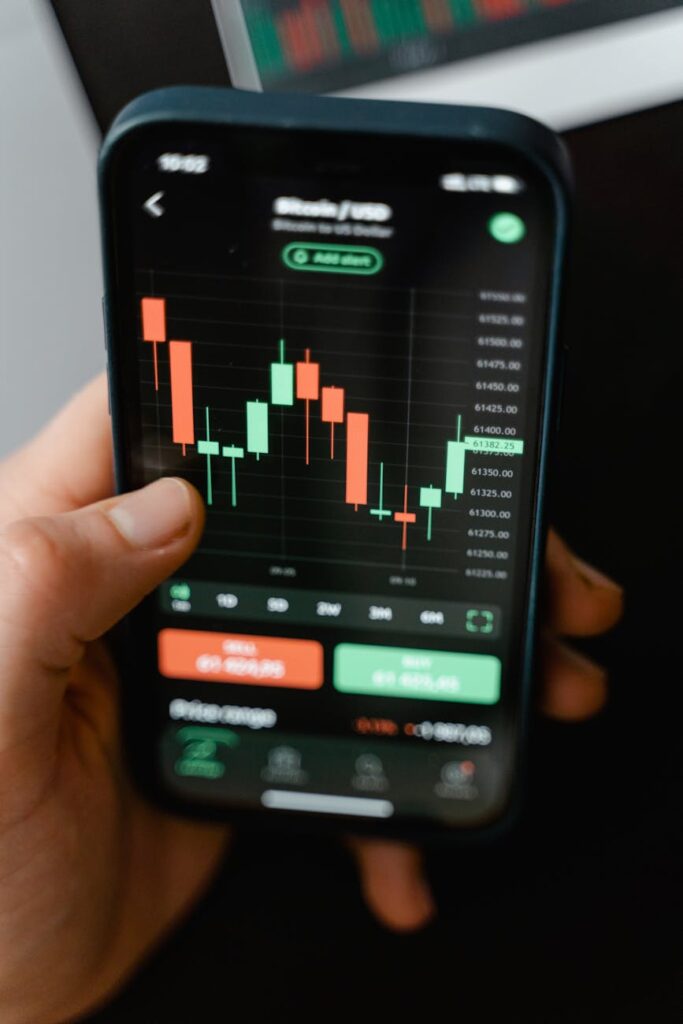
We can’t talk about crypto without addressing the elephant in the room: the massive energy consumption of some cryptocurrencies like Bitcoin. It seems counterintuitive to use a power-hungry technology to *solve* energy problems. However, the narrative is becoming more nuanced.
Forward-thinking crypto miners are starting to act as a unique grid-balancing tool. How? By being flexible. They can set up operations in remote areas right next to stranded renewable energy sources—like a wind farm that produces more power than the local grid can handle. The miners use the excess, otherwise-wasted energy.
Even better, because mining operations can be turned on or off in an instant, they can participate in demand response programs at an industrial scale. When the grid is stressed, they can power down their entire operation, freeing up megawatts of power instantly. In this model, they get paid for their flexibility, turning a potential energy problem into part of the solution.
Hurdles We Still Need to Overcome
This all sounds incredible, but we’re not going to flip a switch and have a blockchain-powered grid tomorrow. There are significant challenges to overcome.
Scalability and Speed
Some blockchains, particularly older ones, can be slow and can’t handle the millions of transactions per second that a national energy grid would require. Newer, more efficient blockchain architectures are being developed, but proving they can operate at this scale is a major technical hurdle.
Regulatory Roadblocks
The energy sector is one of the most heavily regulated industries in the world. Utility commissions, state laws, and federal regulations were written for a centralized model. P2P energy trading, crypto incentives, and automated grid management challenge a century of established law and policy. Regulators need to be educated and new frameworks need to be created to allow for these innovations.
Integration with Legacy Systems
We can’t just throw out the existing grid. This new blockchain layer needs to communicate and integrate with decades-old infrastructure, control systems, and billing platforms. This is a complex and expensive integration challenge that requires collaboration between innovative startups and massive, slow-moving utility companies.
Conclusion
The transition to a new energy paradigm is one of the most critical challenges of our time. While the idea of using energy grids blockchain technology and crypto incentives might seem complex, the core concept is simple: moving from a rigid, top-down system to a flexible, distributed network. It’s about empowering individuals, enabling local markets, and using real-time data and automated incentives to create a grid that is cleaner, cheaper, and far more resilient.
The road ahead is long, filled with both technical and regulatory hurdles. But the potential payoff is immense. By leveraging the transparency of blockchain and the power of smart incentives, we can build an energy grid that is not only ready for the future but actively helps to create a more sustainable one.

