

The Philosophical Implications of Fully On-Chain Games and Worlds
Remember those clunky, pixelated games we used to play? The ones where saving your progress felt like a sacred ritual? Times have changed, haven’t they? We’re now talking about fully on-chain games, entire worlds built on the blockchain. And this shift isn’t just a technological leap; it’s a philosophical earthquake. It forces us to rethink fundamental concepts like ownership, identity, and even reality itself. Let’s dive in.
The Dawn of True Digital Ownership
For years, gamers have been pouring time and money into virtual items that, ultimately, they didn’t truly own. A server crash, a company going under, a ban hammer – poof! – your hard-earned loot vanishes. On-chain games change this. By leveraging the blockchain, they offer true digital ownership. Your sword? Your spaceship? Your virtual plot of land? They’re yours, recorded immutably on a distributed ledger. This isn’t just a technical detail; it’s a paradigm shift in how we think about value in digital spaces.
Decentralization and the Democratization of Play
Think back to that time your favorite MMO unexpectedly shut down. Remember the frustration? The sense of loss? On-chain games, with their decentralized nature, mitigate this risk. No single entity controls the game. It exists as a shared, persistent world, governed – at least in theory – by the community. This opens up exciting possibilities for democratic game development and governance, where players have a real say in the future of their virtual worlds.
Identity in the Metaverse: Who Are You, Really?
In the physical world, our identity is tied to our bodies, our history, our social interactions. But what happens when we step into a fully on-chain metaverse? Can we shed our physical baggage and become someone entirely new? The implications are profound. Imagine crafting a completely new persona, unburdened by the constraints of the offline world. Or perhaps, even more intriguingly, imagine exploring different facets of your existing self, expressing aspects of your personality that you might not feel comfortable revealing in the physical world.
“The metaverse is not just a place to play games. It’s a place to explore who we are and who we could be.”
The Blurring Lines of Reality
As on-chain worlds become richer and more immersive, the lines between the physical and the virtual will inevitably blur. Already, we see people spending significant portions of their lives in virtual spaces, forming meaningful relationships, and even earning a living. What happens when these virtual experiences become as compelling, or even more compelling, than our physical realities? It’s a question that raises both exciting and unsettling possibilities. Remember that time you lost track of time playing your favorite game? Now imagine that feeling amplified a thousandfold.
The Challenge of Scarcity in a Digital Abundance
One of the core tenets of economics is scarcity. But in a digital world where anything can be copied infinitely, how do we create and maintain scarcity? On-chain games offer a potential solution through the use of NFTs. By representing unique in-game items as NFTs, developers can introduce scarcity into the digital realm, impacting the in-game economy and the perceived value of virtual assets. This begs the question: will artificial scarcity in a digital world feel authentic, or will it simply be a contrived mechanism?
Philosophical Implications of On-Chain Games: Navigating the Uncharted Territory
The rise of on-chain games and worlds presents a host of philosophical questions. Questions about ownership, identity, reality, and value. There are no easy answers, and the implications are far-reaching. As we continue to build and explore these virtual frontiers, we must grapple with these philosophical questions to ensure that these new digital realms are not only technologically advanced but also ethically sound and human-centered.
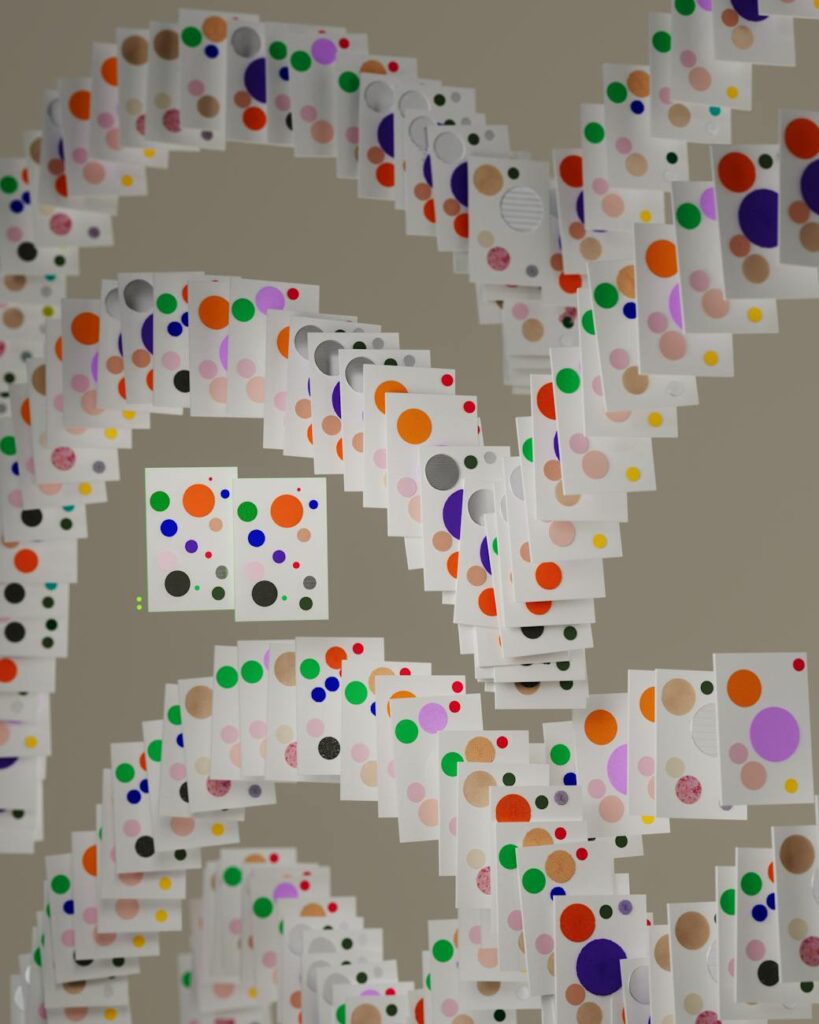
The Future of On-Chain Worlds: A Collaborative Canvas
The future of on-chain games is not predetermined. It’s a collaborative canvas, being painted by developers, players, and philosophers alike. As we continue to explore this uncharted territory, we have the opportunity to shape these virtual worlds in ways that are both beneficial and meaningful. Imagine a future where on-chain games empower individuals, foster creativity, and promote genuine connection. It’s a future worth striving for.
The Ethics of Virtual Existence: A New Moral Compass
As we spend more time in on-chain worlds, we’ll need to develop a new set of ethical guidelines for navigating these virtual spaces. Questions about fairness, justice, and responsibility will take on new dimensions in the metaverse. How do we ensure that these digital realms are inclusive and equitable? How do we prevent harassment and discrimination? These are complex questions that demand careful consideration.
Conclusion
The emergence of fully on-chain games and worlds is more than just a technological advancement. It’s a philosophical turning point. It’s a chance to rethink our relationship with digital spaces, with ownership, with identity, and with each other. The journey into the metaverse has just begun, and the philosophical implications are profound. Are we ready to explore them?

